
Cow dung & cattle manure
Dewatering, 7–15 day windrow composting, crushing, mixing, granulation and drying into organic pellets.
View details →Manure, farm waste, food waste and organic sludge are a cost until they are processed — then they become a bagged product with a price. This hub explains how each waste stream is converted, which machines do the work and how to size the plant.
Organic waste is not a disposal problem; it is an unbalanced raw material. Fresh manure and food waste carry the nitrogen, phosphorus, potassium and organic matter that soil needs, but in a form that is too wet, too salty, too unstable and too smelly to sell. Composting fixes the instability, granulation fixes the handling, and drying fixes the storage. What is left is a uniform, bagged organic fertilizer that farmers buy season after season.
The economics work because the raw material is free or even paid for. A 5 t/h organic fertilizer line producing a 40 kg bag every few seconds converts a waste-handling cost into a product with a wholesale price. The variables that decide payback are the moisture of the incoming waste, the fermentation method, the fertilizer form (powder or granule) and the level of automation.
Select the material closest to yours to see the recommended process route and equipment.
Dewatering, 7–15 day windrow composting, crushing, mixing, granulation and drying into organic pellets.
View details →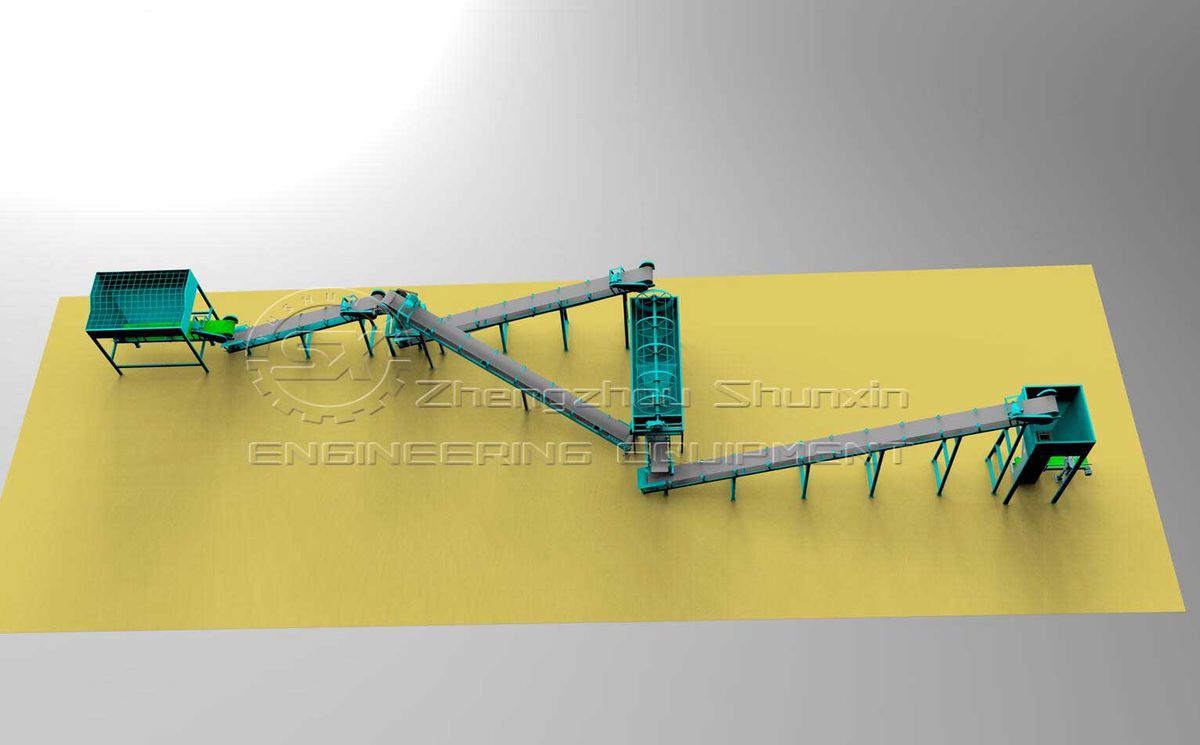
A lower-investment route: dewater, ferment, crush, screen and pack compost as powder fertilizer without granulation.
View details →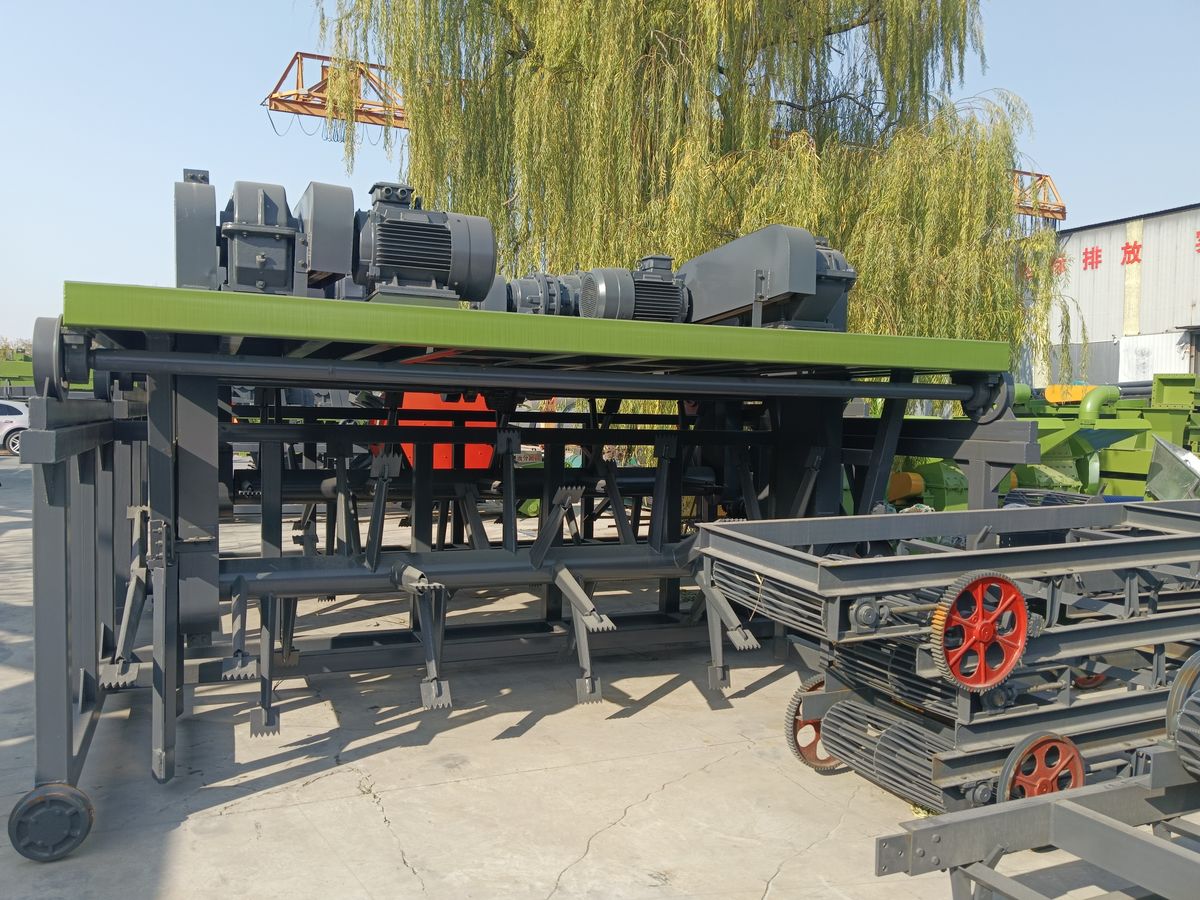
Nutrient-dense but wet and odorous; drying, fermentation and deodorising precede powder or pellet production.
View details →
Disc granulation and rotary drying turn fermented poultry manure into 3–5 mm organic pellets.
View details →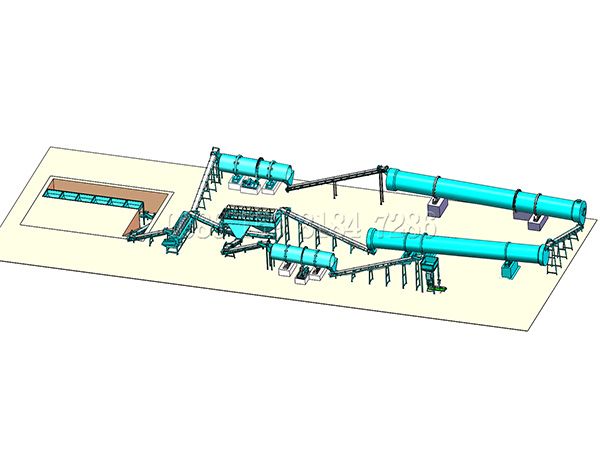
Bulky manure mixed with bedding; groove-type turners and in-vessel systems handle the volume.
View details →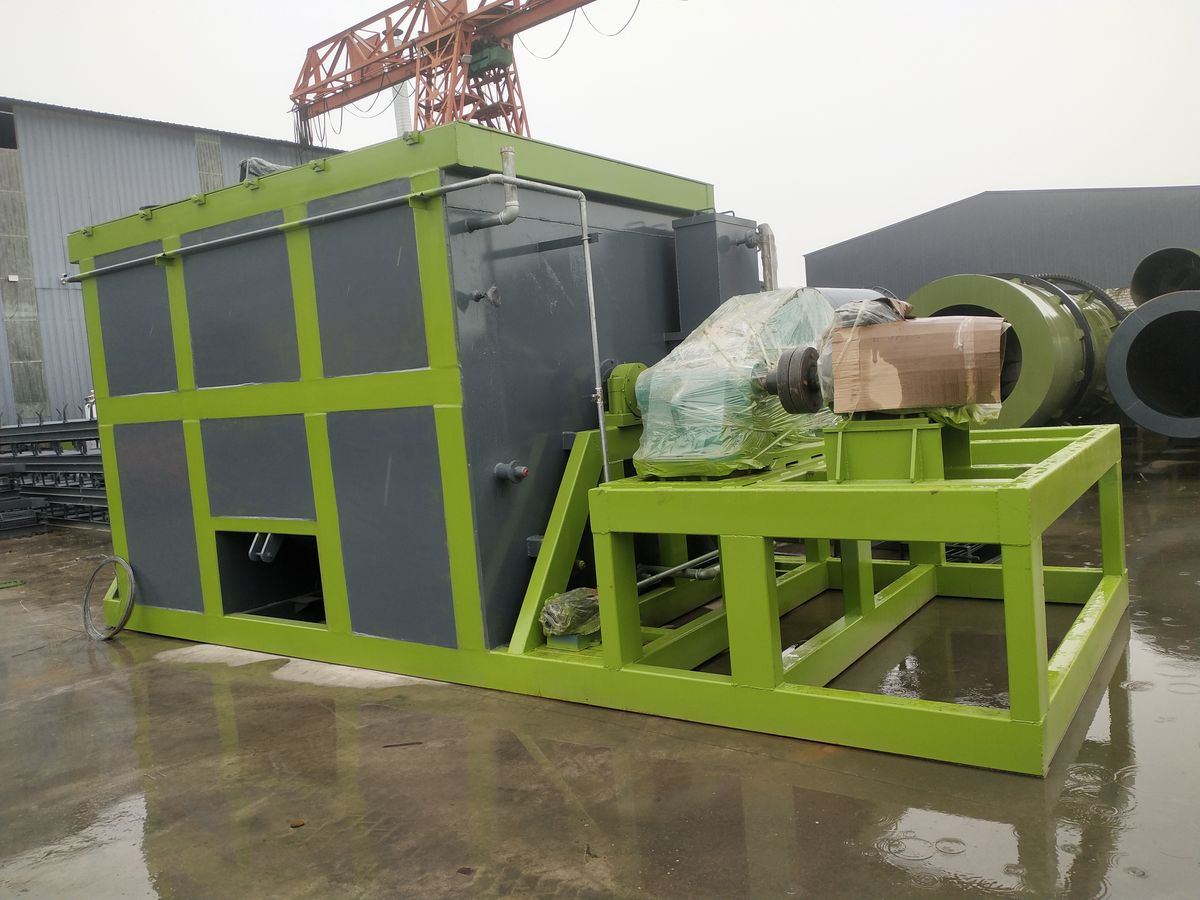
High-moisture organic waste needs in-vessel fermentation and secondary composting to become clean compost.
View details →Straw, stalks, crop residue and manure are blended to the right C/N ratio, then composted and granulated.
View details →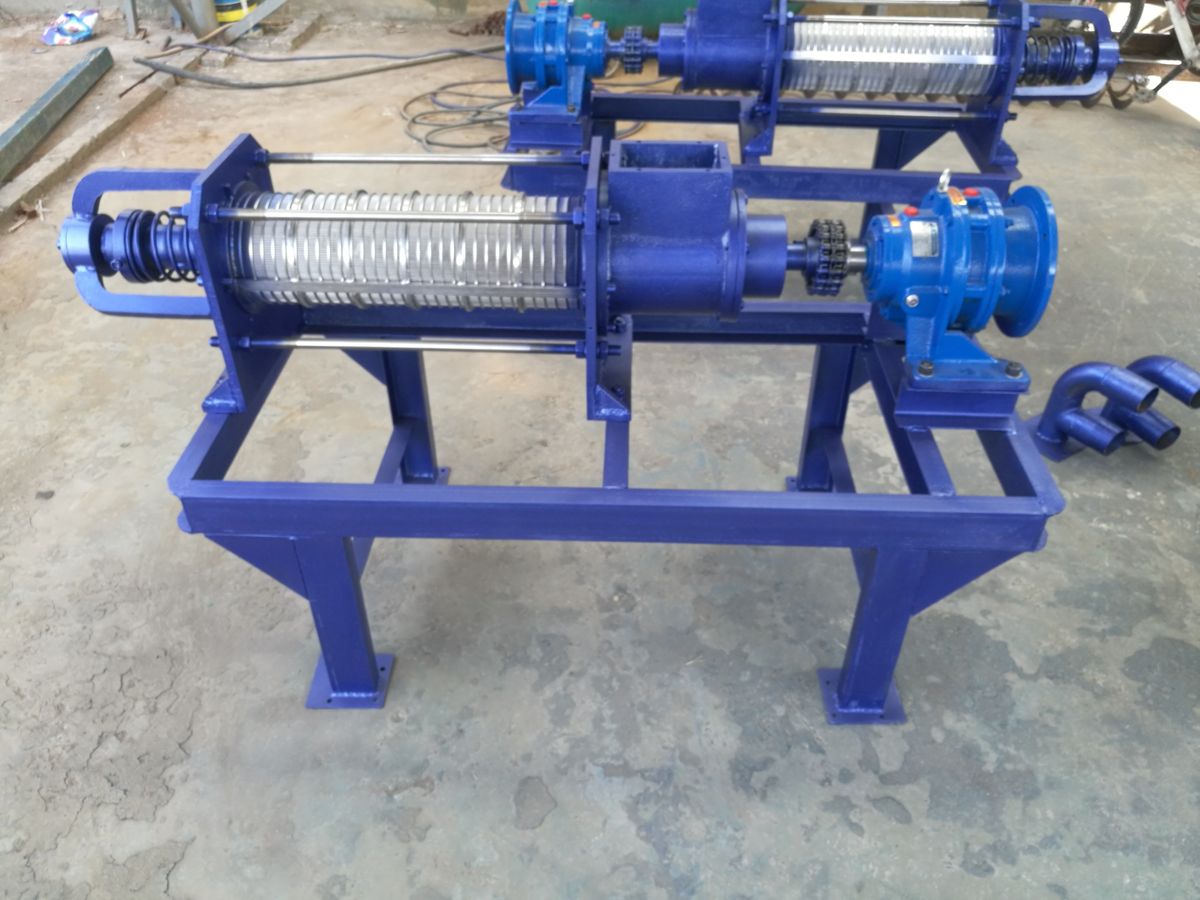
Solid liquid separation removes water first so the solids can be composted and the liquid reused.
View details →A solid liquid separator lowers moisture from 80–90% to about 60–65%, cutting the volume that has to be turned, dried and shipped.
Windrow turning or in-vessel aerobic fermentation raises the temperature above 55 °C for several consecutive days, killing pathogens and weed seeds and stabilising the organic matter.
Cage mill or chain crushers reduce the compost below 3 mm; mixers blend in binders, humic acid, trace elements or chemical nutrients.
Disc, rotary drum, wet or double roller granulators form the powder into 2–5 mm pellets with a granulation rate up to 93%.
A rotary dryer brings moisture down to 12–14%, the cooler stabilises the pellet, the screener recycles fines and the coater prevents caking.
Automatic weighing and bagging into 25/40/50 kg bags or jumbo bags, ready for retail or bulk delivery.
| Waste stream | Moisture | Key first step | Typical fertilizer output | Recommended line |
|---|---|---|---|---|
| Cow dung | 75–85% | Solid liquid separation | Organic powder or granules | Windrow turner + disc/drum granulation |
| Chicken manure | 60–75% | Drying & deodorising | Organic powder or pellets | Fermentation tank + disc granulation |
| Pig manure slurry | 90%+ | Solid liquid separation | Organic fertilizer solids + liquid fertilizer | Separator + windrow composting |
| Horse manure with bedding | 50–65% | Coarse crushing of bedding | Organic compost & pellets | Groove or self-propelled turner |
| Food / market waste | 70–85% | In-vessel fermentation | Clean organic compost, pellets | In-vessel reactor + secondary fermentation |
| Straw & crop residue | 15–25% | Crushing, moisture adjustment | Organic or bio-organic fertilizer | Straw crusher + drum granulation |
| Sewage / organic sludge | 80%+ | Dewatering & bulking agent | Organic fertilizer granules | Separator + windrow or in-vessel system |
Photographed in our Xingyang workshop and on customer sites. Watermark-free, no phone numbers.


Livestock manure, especially cow dung and chicken manure, is the easiest because it already has a balanced nutrient profile and a workable carbon/nitrogen ratio. Food waste and sludge are richer in moisture and need in-vessel fermentation plus a bulking agent before they behave like compost.
Yes, and many customers do. The composting, crushing, mixing and packing equipment is shared. When the market asks for pellets you add the granulator, dryer, cooler, screener and coater, keeping existing machines in the same layout.
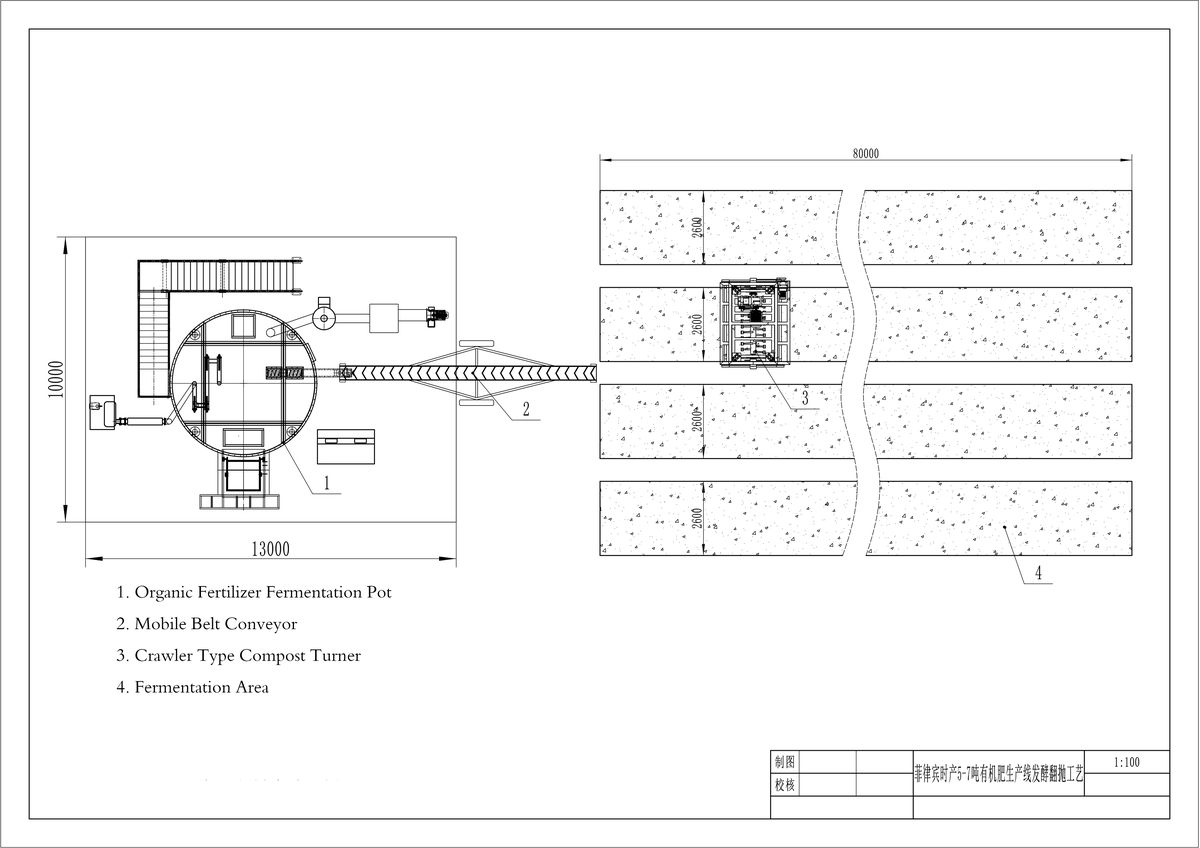
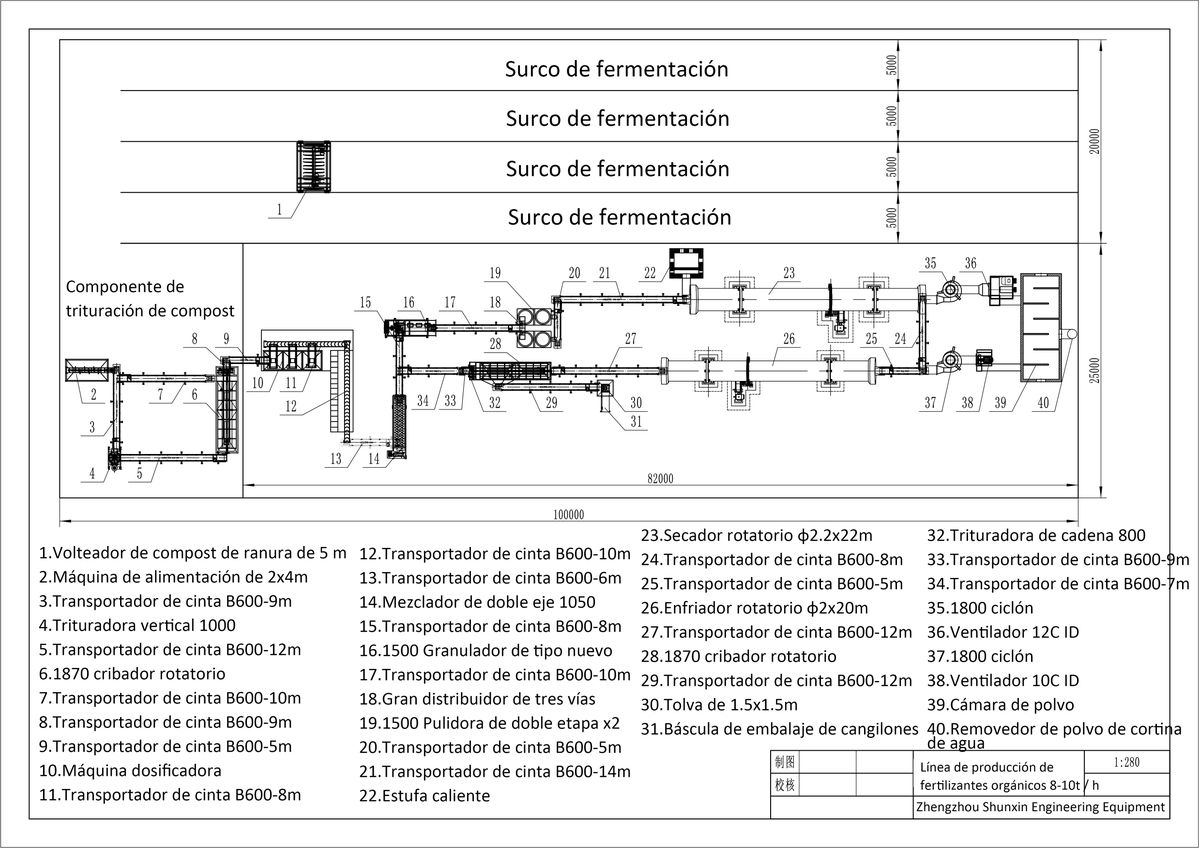
A 1–2 t/h line including windrow fermentation typically needs 800–1,500 m². A 5–10 t/h granule line needs 2,000–5,000 m², and 20 t/h and above with in-vessel fermentation usually requires 8,000 m² or more. We supply a layout drawing so you can confirm the land before ordering.
Calculate the daily waste available from your farm, feedlot or municipality first, then convert to hourly output assuming 8–10 working hours per day. Composting and fertilizer lines are usually sized slightly above that figure so seasonal peaks do not become a bottleneck.
Cow dung fertilizer machines that convert cattle manure into powder or granule organic fertilizer: dewatering, compost…
Read more →Chicken manure processing equipment for poultry farms: drying, deodorising, fermentation, crushing, granulation and pa…
Read more →Organic waste composting machines for food waste, market waste and sludge. In-vessel fermentation plus secondary compo…
Read more →Farm waste disposal systems that turn manure, straw and crop residue into organic fertilizer — dewatering, composting,…
Read more →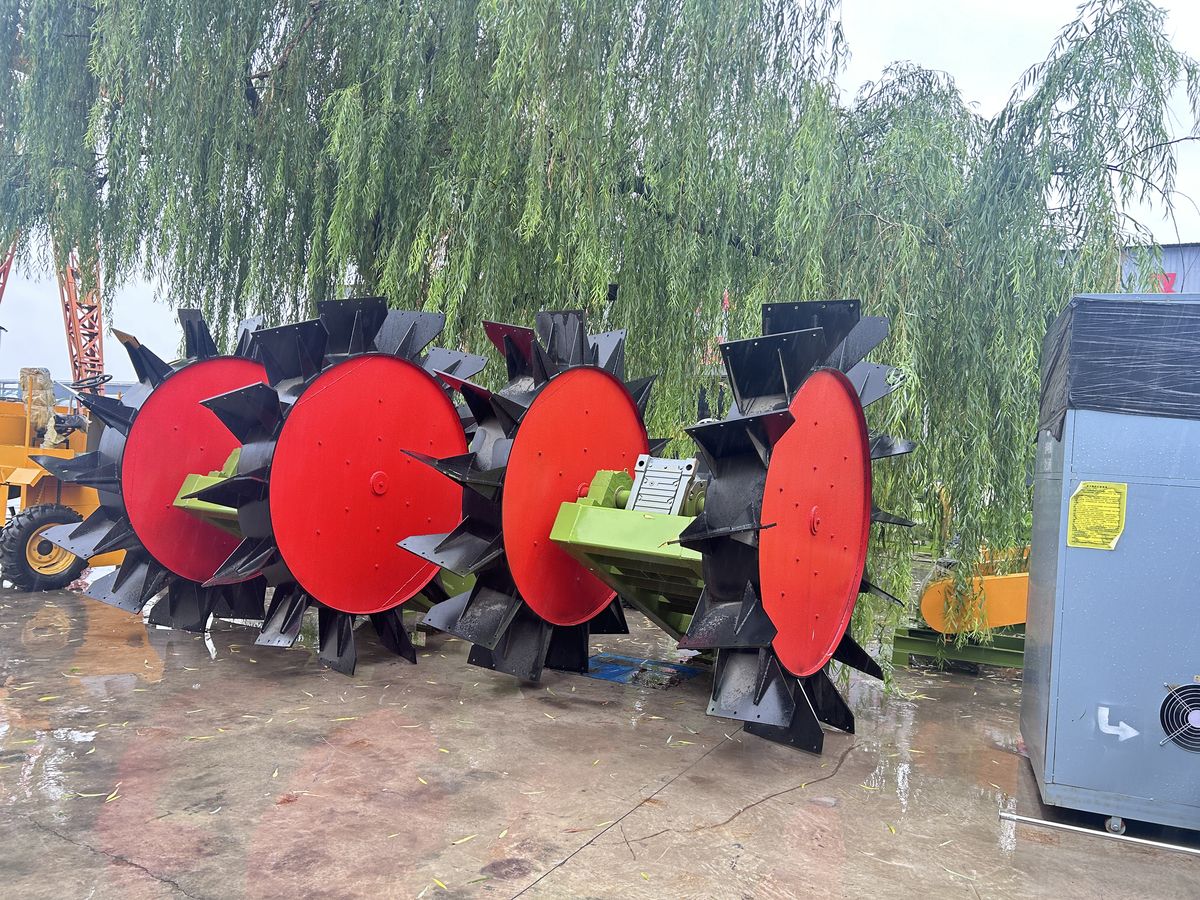
Composting equipment from Shunxin: windrow and groove turners, self-propelled and forklift compost turners, and in-ves…
Read more →Complete fertilizer production lines from 1 to 50 t/h: organic, bio-organic, compound, NPK and bulk blending (BB) plan…
Read more →Send your raw material, target capacity and country. Our engineers reply within one working day with a process route, equipment list and budget.
Send us your raw material and target capacity — we will propose the process, the machines and the budget.
Send your raw material and target capacity — our engineers reply within one working day with a process route, equipment list and budget.
Our engineering team will reply within one working day. For anything urgent, message us on WhatsApp.
Open WhatsApp