
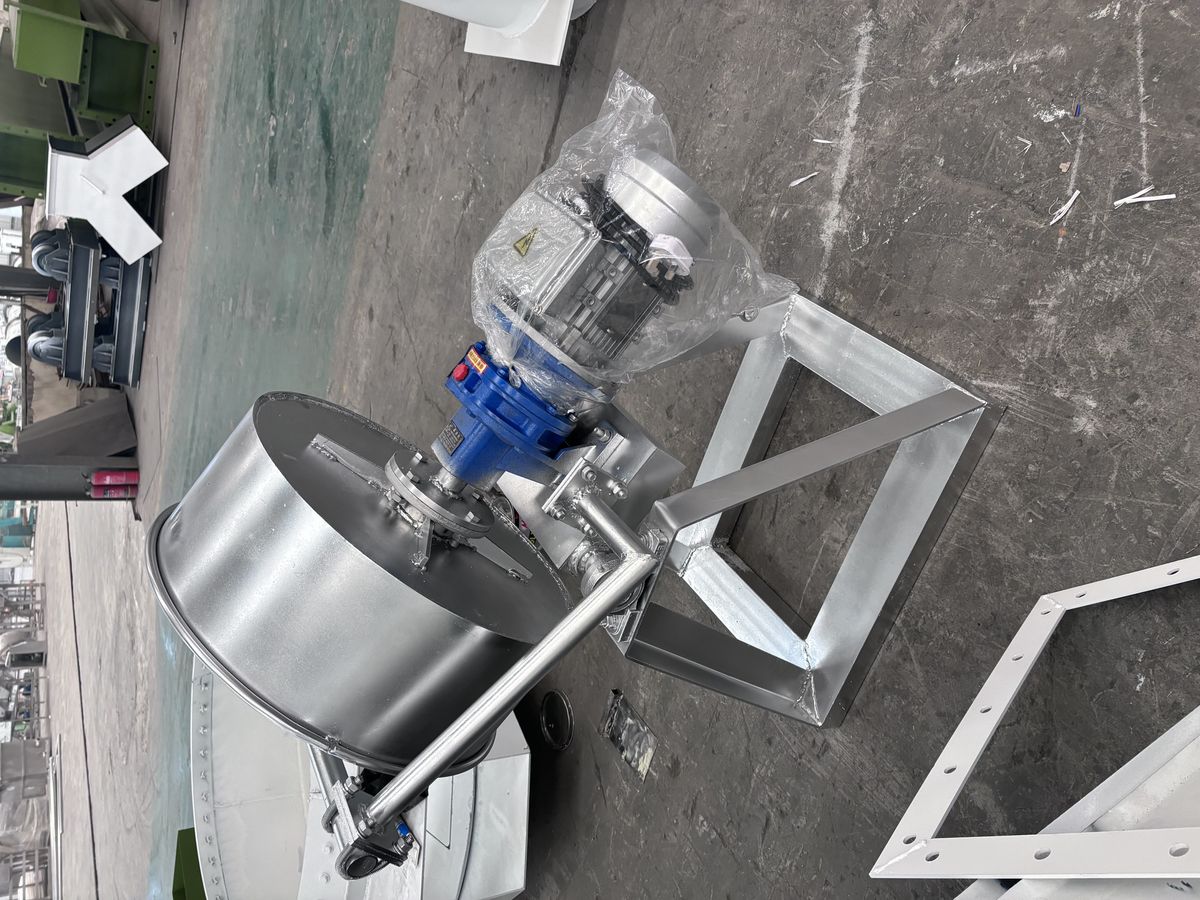
Máy tạo hạt
A rotating inclined pan forms round pellets by rolling. Granulation rate up to 93%, capacity 0.1–50 t/h, the standard organic fertilizer granulator.
Xem chi tiết →Every granulator answers the same question: how do you make loose powder hold together as a round pellet? There are only two mechanical answers. Wet granulation adds moisture and agitation until the particles bind and roll into spheres — this is disc, chảo, rotary drum and wet granulation. Dry granulation applies pressure until the particles cold-weld into a dense sheet that is broken into pellets — this is double roller extrusion.
Wet granulation suits organic fertilizer made from compost, because compost arrives with moisture and binds naturally; it always needs a dryer and cooler afterwards. Dry granulation suits chemical and NPK fertilizer, especially urea-based formulas that would be damaged by heat, and it needs no dryer at all. Choosing the wrong family is the most expensive mistake in fertilizer plant design, because it changes the entire downstream line.
A rotating inclined pan forms round pellets by rolling. Granulation rate up to 93%, capacity 0.1–50 t/h, the standard organic fertilizer granulator.
Xem chi tiết →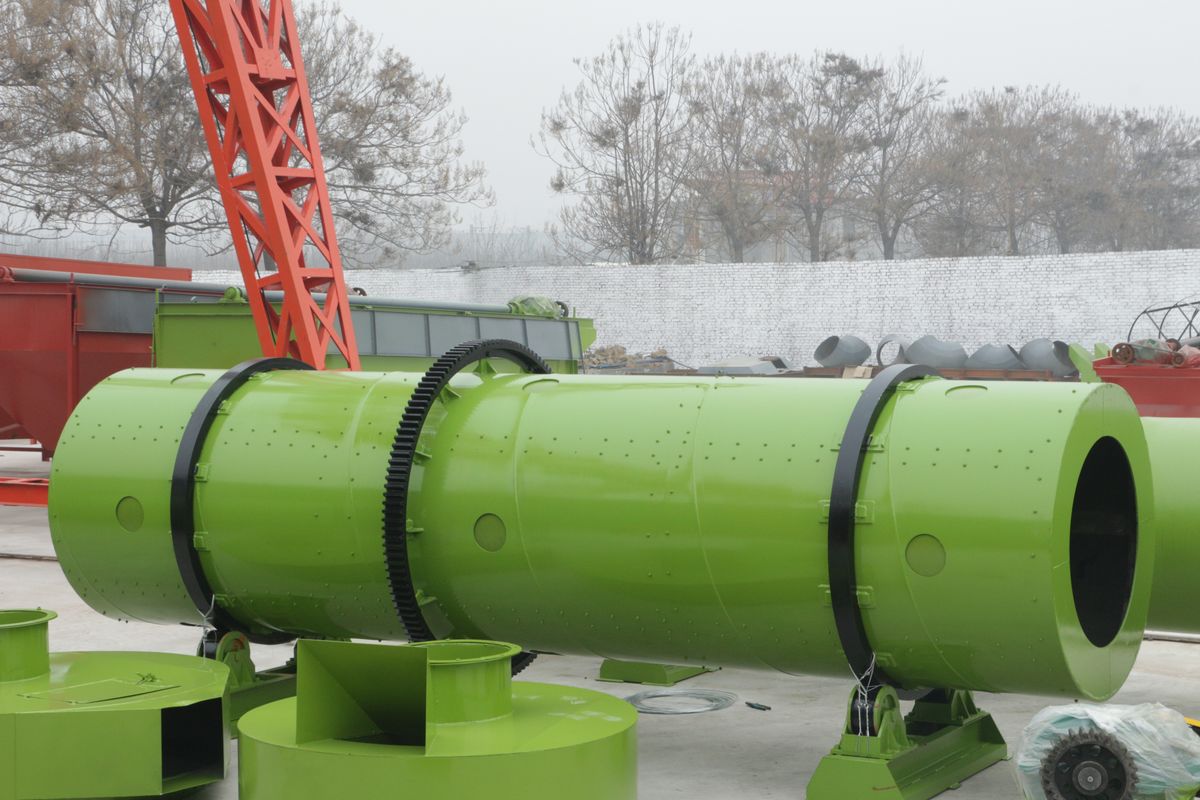
A rotating drum with internal stirring teeth agglomerates material with steam, water or slurry. Best for high-tonnage compound and organic lines.
Xem chi tiết →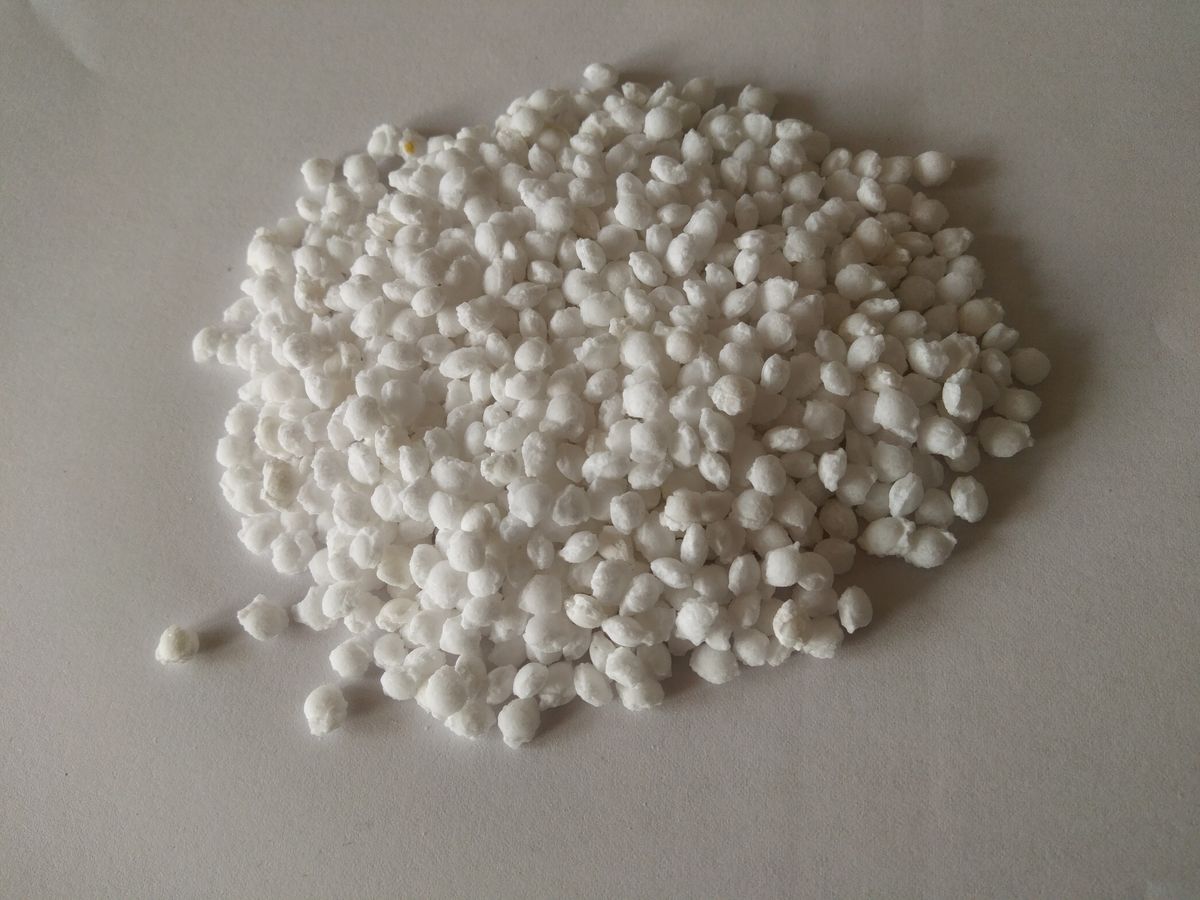
Dry extrusion at high pressure with no binder and no dryer. Ideal for NPK, urea and high-salt formulas; pellet rate above 85%.
Xem chi tiết →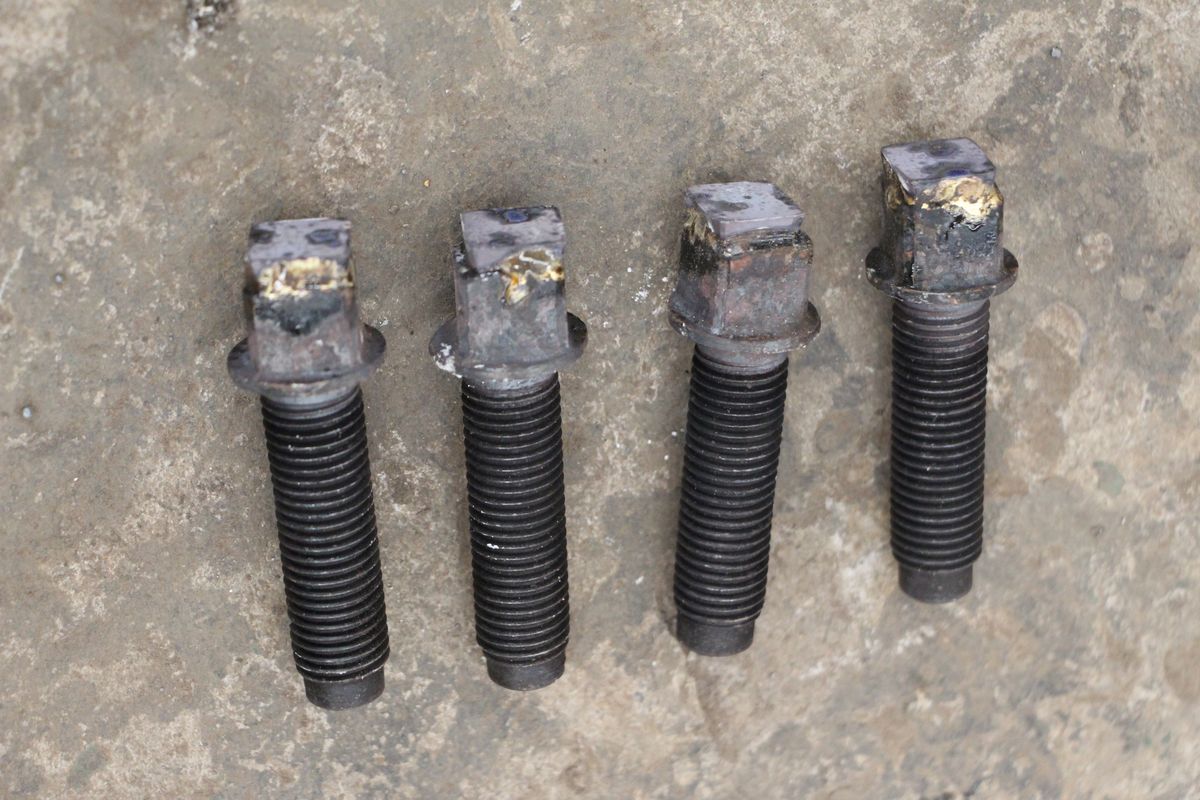
The wet granulation family explained, including the four machine types and their advantages and disadvantages for organic fertilizer.
Xem chi tiết →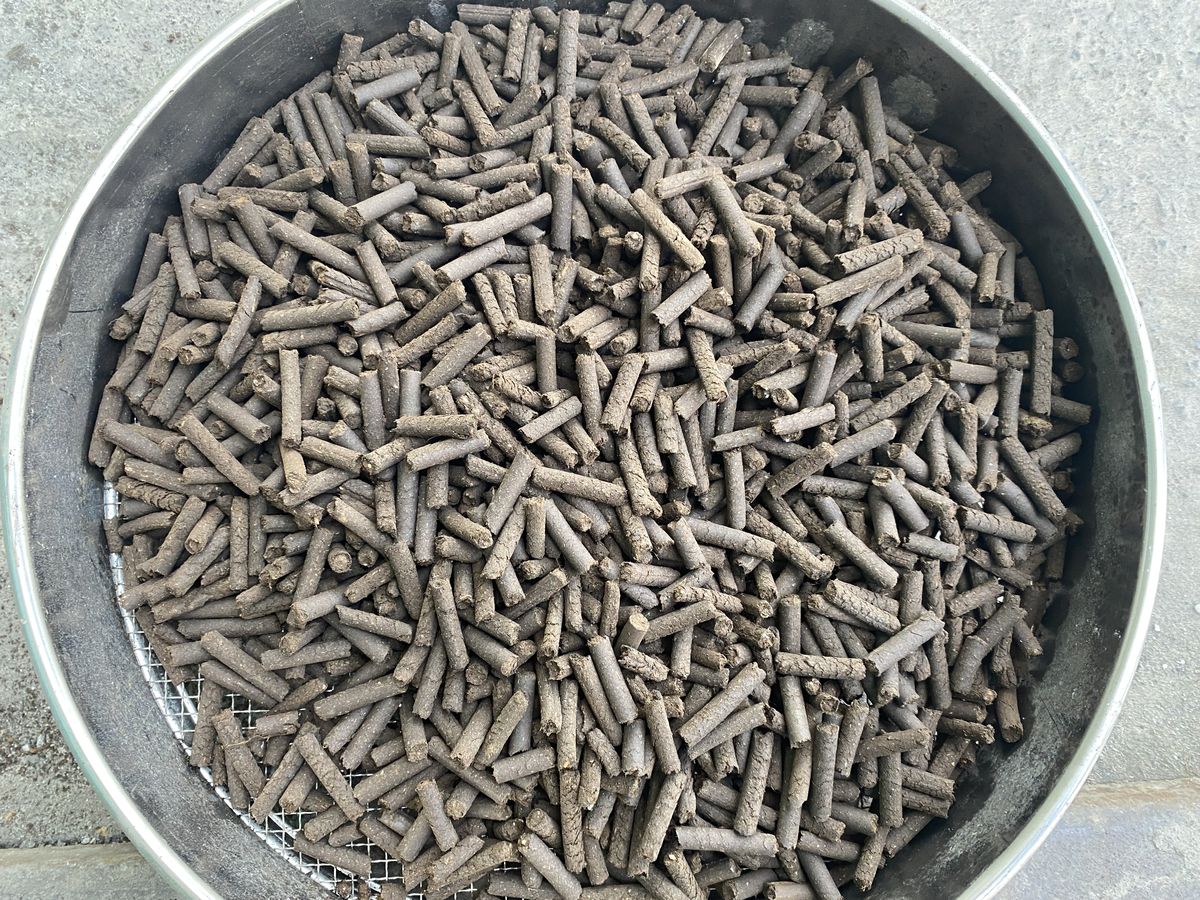
How dry granulation works, which materials suit it, and why it eliminates the drying section entirely.
Xem chi tiết →Purpose-configured granulation for cattle manure: thẳng đứng, horizontal and disc options with the matching dryer and screener.
Xem chi tiết →| Hạt | Method | Feed moisture | Dung tích | Granulation rate | Tốt nhất cho |
|---|---|---|---|---|---|
| Đĩa (chảo) máy tạo hạt | Ướt, rotating pan | 25–35% | 0.1–50 tấn/giờ | lên tới 93% | Organic fertilizer, manure compost |
| Rotary drum granulator | Ướt, drum + steam/slurry | 25–35% | 5–50 tấn/giờ | 70–90% | Compound and NPK, high tonnage |
| Double roller granulator | Khô, high-pressure extrusion | <5% | 1–20 t/h | 85%+ | NPK, urê, ammonium salts, dry formulas |
| Wet granulation line | Ướt, combined | 25–35% | 1–30 tấn/giờ | 80–93% | Organic and organic-inorganic fertilizer |
| Dry granulation line | Khô, extrusion | <5% | 1–20 t/h | 85%+ | Heat-sensitive chemical fertilizer |
Crush the feed below 3 mm. Coarse particles cannot be wetted evenly, so pellets form with rough surfaces and low strength.
25–35% for wet granulation — squeeze a handful; it should hold its shape without dripping water. Below 20% pellets crumble, above 40% the drum or pan balls up.
1–3% starch, bentonite, humic acid or molasses. More binder makes harder pellets but dilutes the nutrient analysis.
In a disc granulator the angle and speed control pellet size; in a drum, the speed and the internal weir control retention time.
Send oversize material to a crusher and fines back to the granulator. A closed recycling loop keeps the effective granulation rate above 90%.
The granulation rate is the proportion of output that falls within the target pellet size on the first pass. A 93% rate means very little material has to be recycled, which lowers power consumption and increases effective plant capacity. Rate is governed by feed particle size, moisture, binder and machine settings.
For organic fertilizer up to about 3 t/h the disc (chảo) granulator is the best choice: it handles 25–35% moisture, is easy to adjust and produces round pellets with a high granulation rate. Above 5 th, a rotary drum granulator is more economical per tonne.
Wet granulators do. Pellets leave a disc or drum granulator at 25–35% moisture and must be dried to 12–14% before storage. Dry granulation with a double roller press needs no dryer, which is one of its main economic advantages.
Most markets accept 2–5 mm. Pellet size is set by the disc angle and rotation speed, the drum speed and weir height, or the roller die pattern, and can be changed with the machine running on disc and drum granulators.
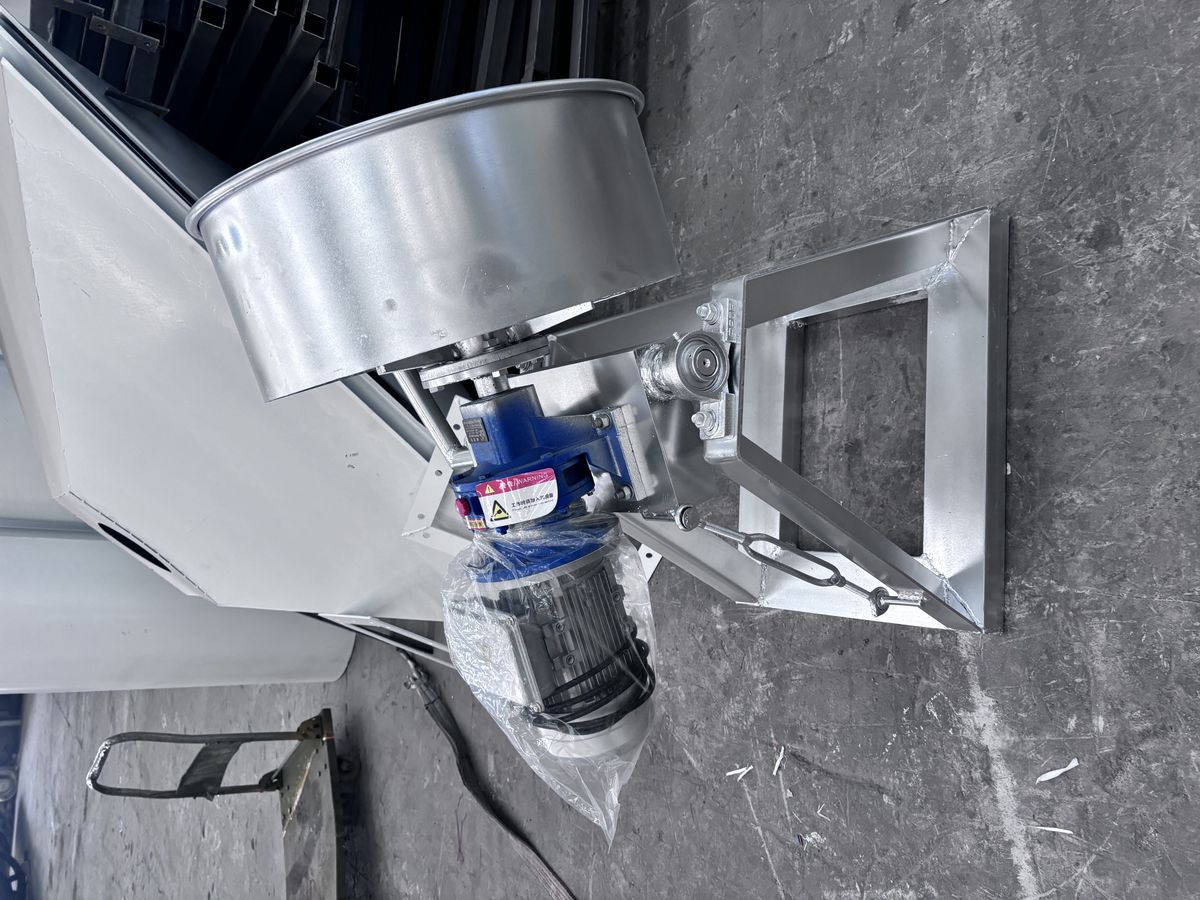
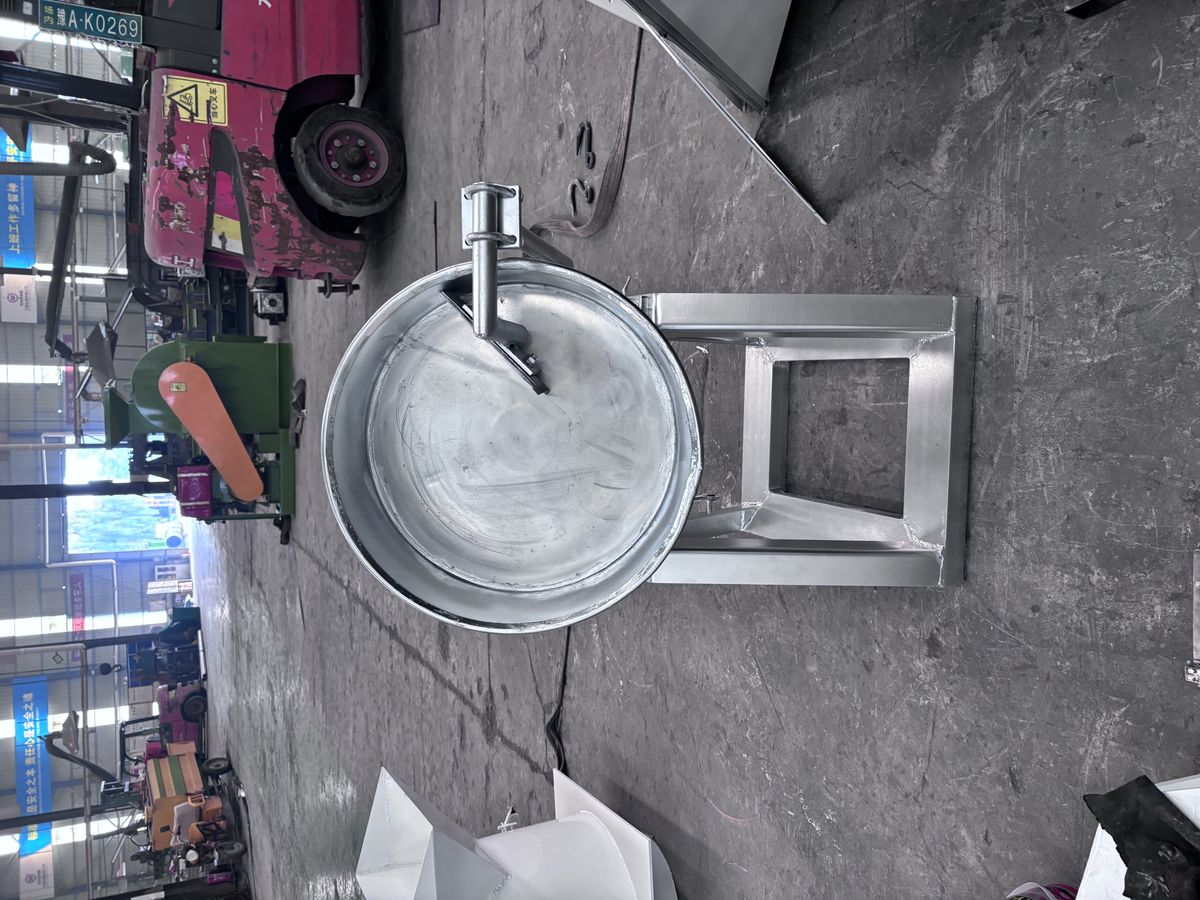
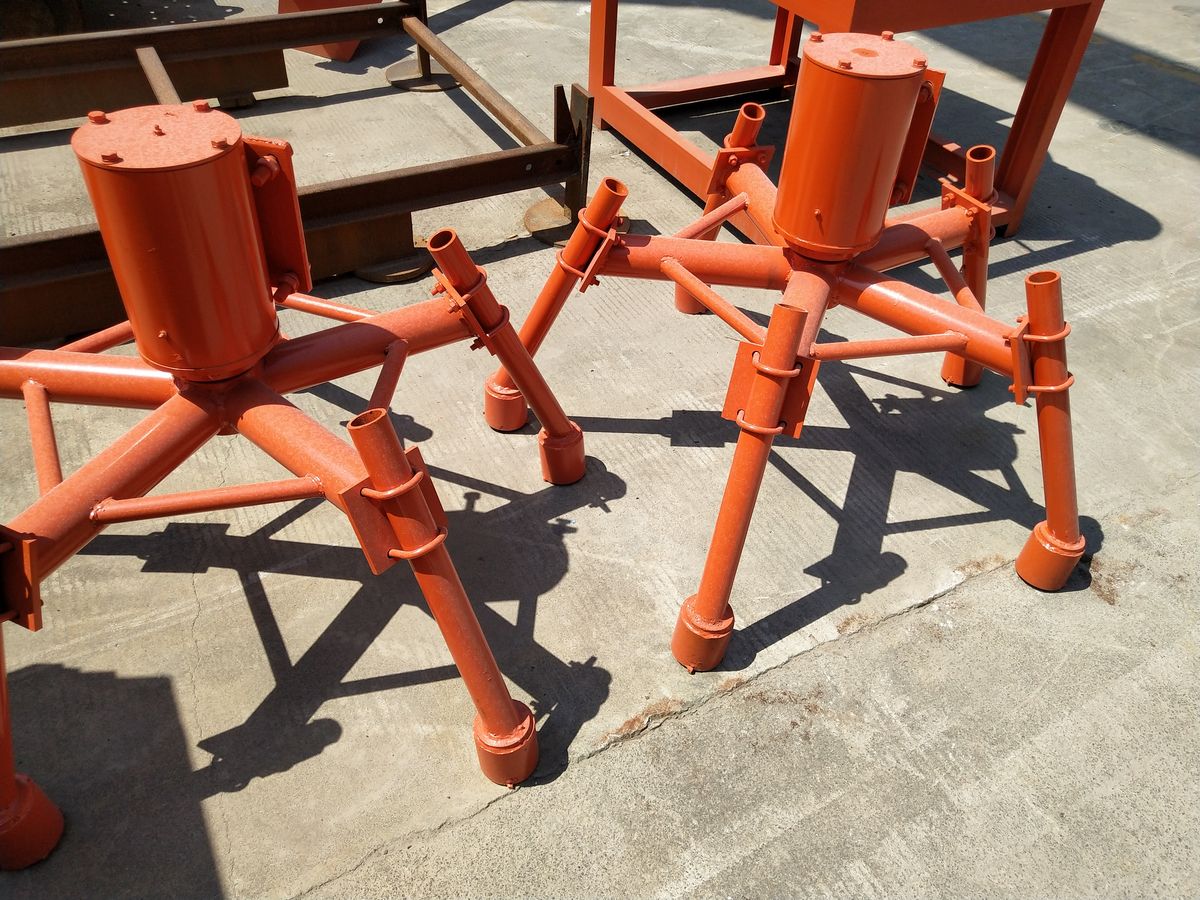
Chụp ảnh tại xưởng Xingyang của chúng tôi và trên trang web của khách hàng. Không có hình mờ, không có số điện thoại.
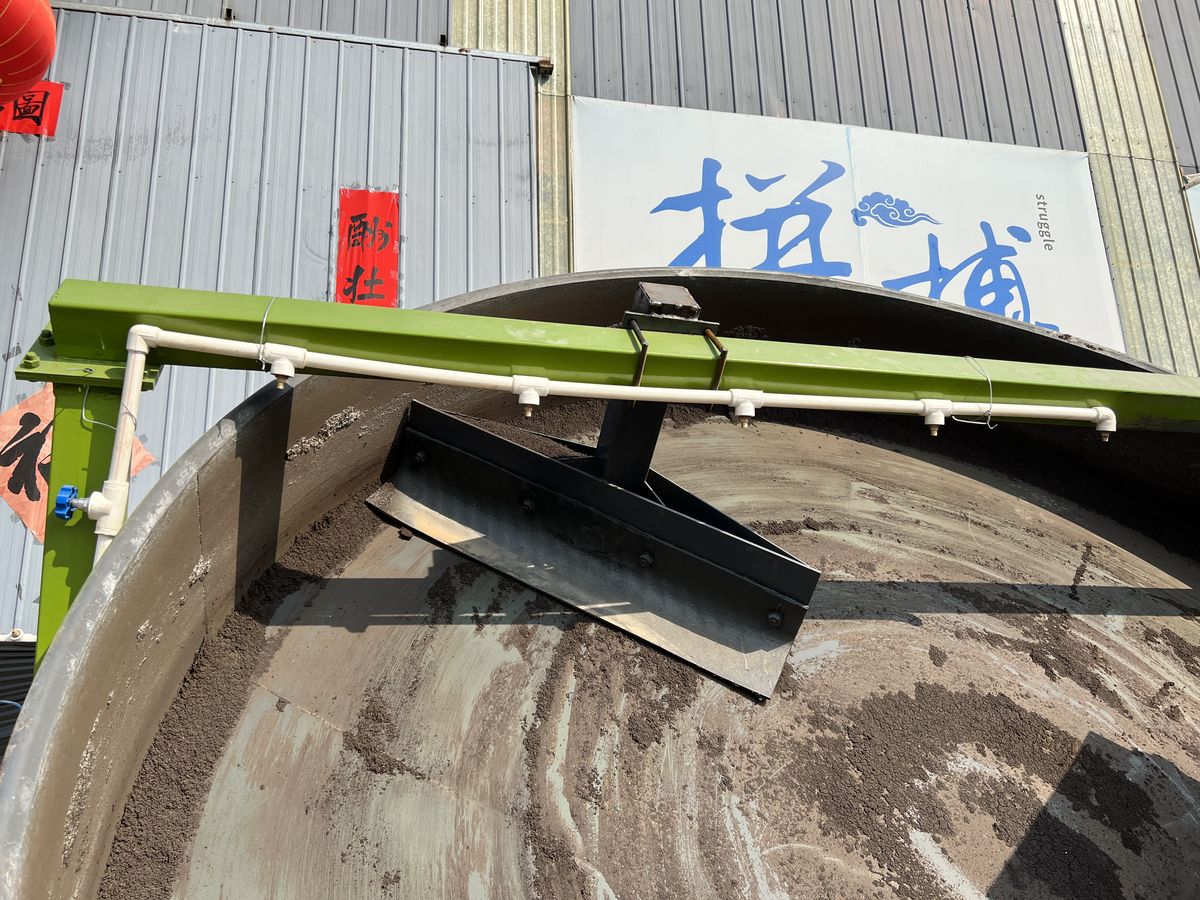
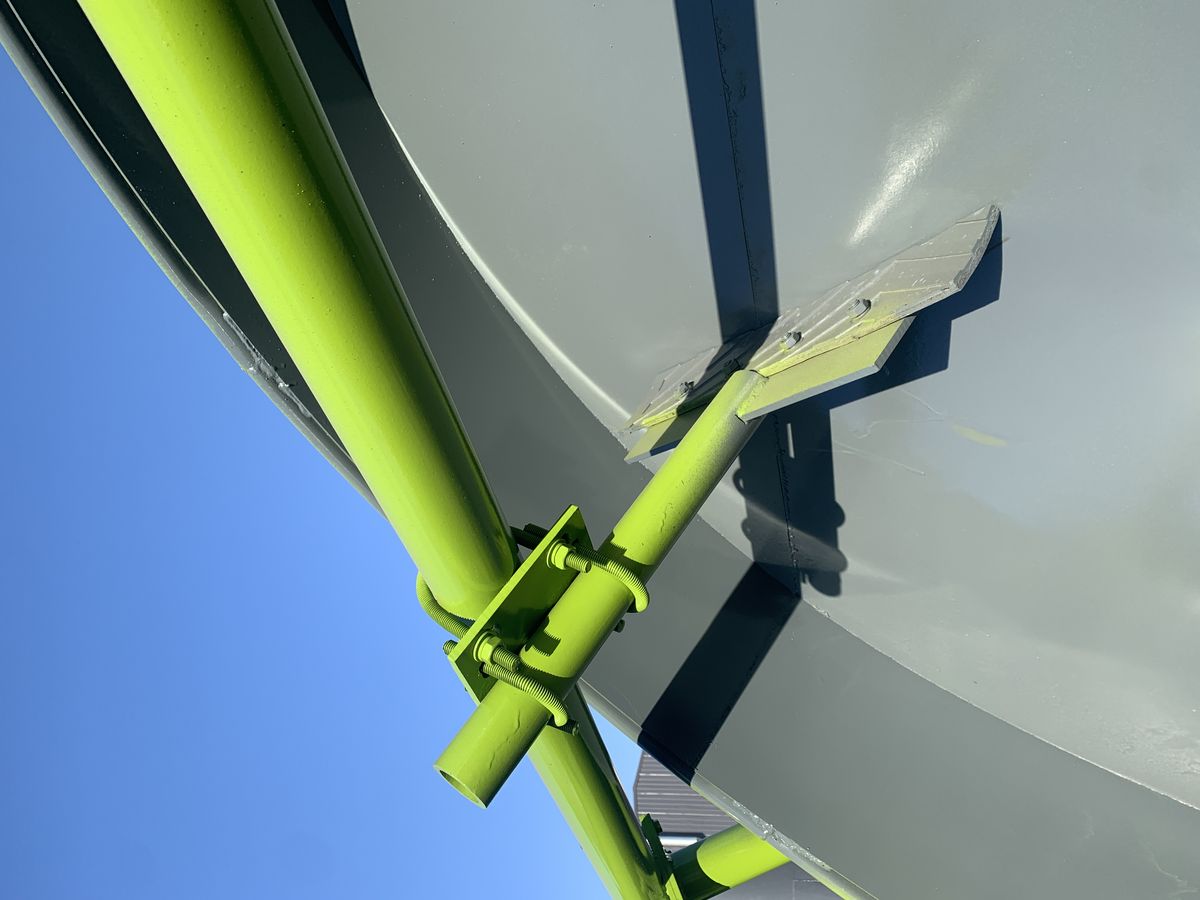
A granulator builds pellets from moist powder by agglomeration or pressure, without forcing the material through a die — this suits fertilizer because it tolerates moisture and binders. A pellet mill extrudes material through a die under high pressure and is used mainly for dry biomass fuel pellets or feed.
A rotary drum granulator can, because it works with agglomeration rather than a fixed die. A double roller granulator is limited to dry materials, and a disc granulator is at its best with moist organic compost. Many fertilizer plants keep two granulators and switch by product.
A disc granulator from 0.75 kW to 18.5 kW covers the range from 0.1 ĐẾN 4 th, while large rotary drum granulators reach 75–160 kW at 20–50 t/h. Power is usually a small share of running cost compared with the dryer, which is the largest energy user in a wet granulation line.
Three usual causes: too little binder, feed moisture too high so the pellet has a soft core, or a dryer inlet temperature above about 250 °C which flashes moisture out too quickly and cracks the pellet. Reducing the feed rate and drying more gently usually solves it.
Disc granulators (pan granulators) produce round organic fertilizer pellets with a granulation rate up to 93%. Models …
Đọc thêm →Rotary drum granulators for compound and organic fertilizer, using steam, water or slurry agglomeration. Design parame…
Đọc thêm →Double roller granulators press dry compound and NPK powder into pellets with no binder and no dryer. Pellet rate abov…
Đọc thêm →Máy tạo hạt ướt làm phân hữu cơ: đĩa, chảo, so sánh máy trộn hạt quay và máy trộn ướt, với họ…
Đọc thêm →Dry granulation machines form fertilizer pellets by pressure alone, with no water, no steam and no dryer. Two machine …
Đọc thêm →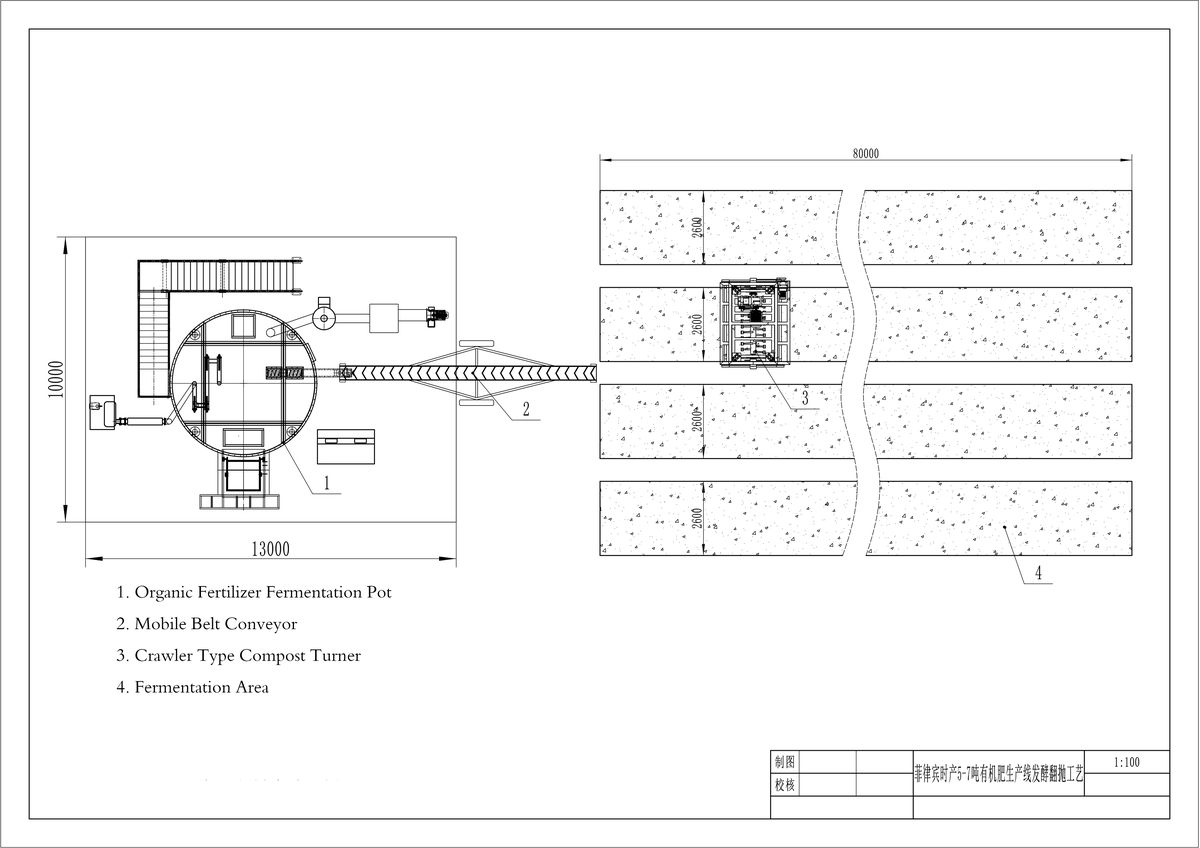
Hoàn thiện dây chuyền sản xuất phân bón từ 1 ĐẾN 50 th: hữu cơ, hữu cơ sinh học, Hợp chất, Trộn NPK và số lượng lớn (BB) kế hoạch…
Đọc thêm →Gửi nguyên liệu thô và công suất mục tiêu của bạn - các kỹ sư của chúng tôi trả lời trong vòng một ngày làm việc kèm theo lộ trình xử lý, danh sách thiết bị và ngân sách.
Đội ngũ kỹ thuật của chúng tôi sẽ trả lời trong vòng một ngày làm việc. Vì bất cứ điều gì khẩn cấp, nhắn tin cho chúng tôi trên WhatsApp.
Mở WhatsApp