
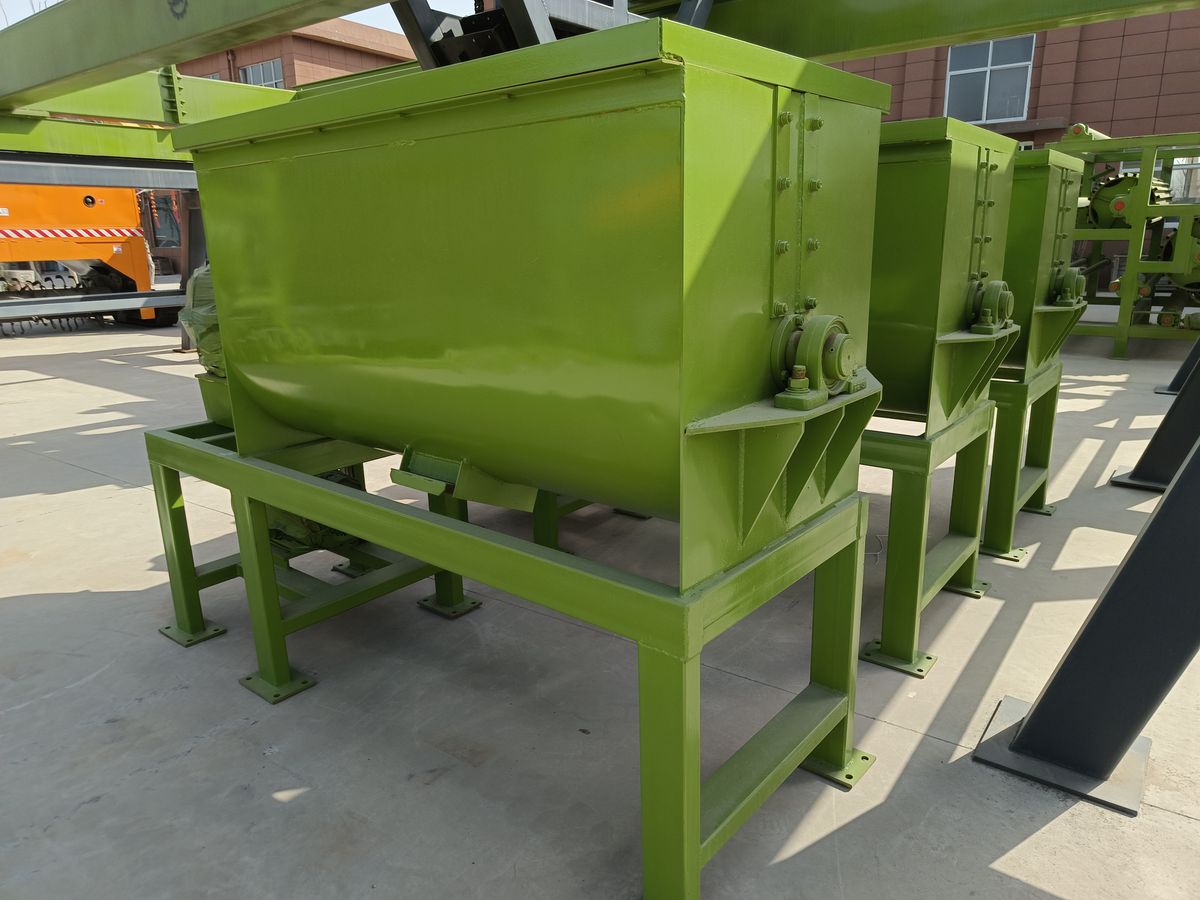
Macchina impastatrice orizzontale
Monoalbero, mescolatori orizzontali bialbero e tradizionali per la miscelazione del compost con leganti, additivi e nutrienti chimici in modo uniforme.
Visualizza i dettagli →In un impianto di fertilizzanti il granulatore attira l'attenzione, ma le macchine che lo circondano decidono il risultato. Un granulatore alimentato con materiale non frantumato inferiormente 3 mm produce grezzo, pellet deboli, indipendentemente da come sono impostati. Un miscelatore che lascia il lotto non uniforme produce sacchetti la cui analisi non corrisponde all'etichetta. E un essiccatore che fornisce pellet 18% umidità invece di 12% produce scorte che si agglutinano nel magazzino entro un mese.
Queste fasi di lavorazione rappresentano anche la maggior parte dei costi di gestione, perché la frantumazione e l'essiccazione consumano molta più energia della granulazione. Dimensionarli correttamente – piuttosto che sovradimensionarli per motivi di sicurezza – è la leva principale sul costo energetico per tonnellata di fertilizzante finito.
Monoalbero, mescolatori orizzontali bialbero e tradizionali per la miscelazione del compost con leganti, additivi e nutrienti chimici in modo uniforme.
Visualizza i dettagli →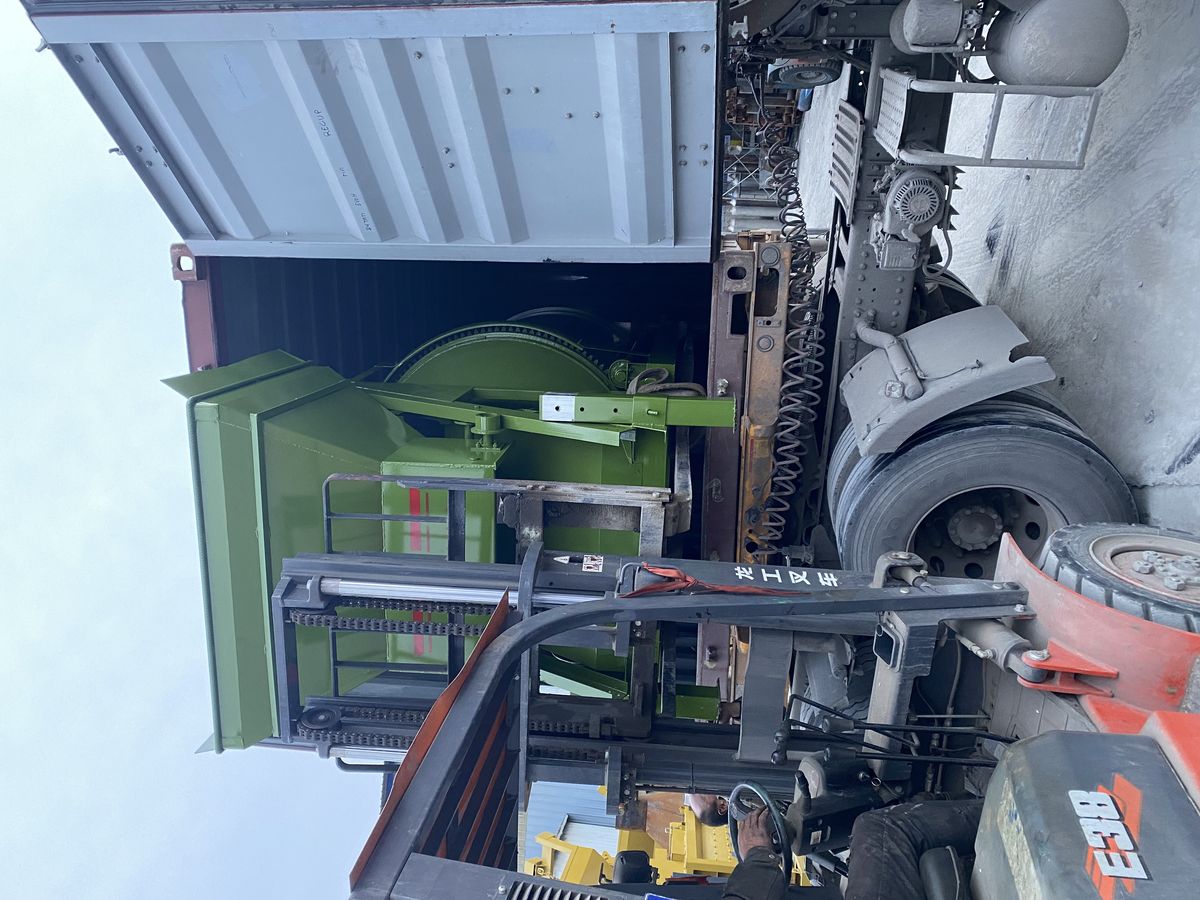
Miscelazione di precisione di granuli di fertilizzante finito per la produzione di fertilizzanti BB, con dosaggio accurato e miscelazione delicata.
Visualizza i dettagli →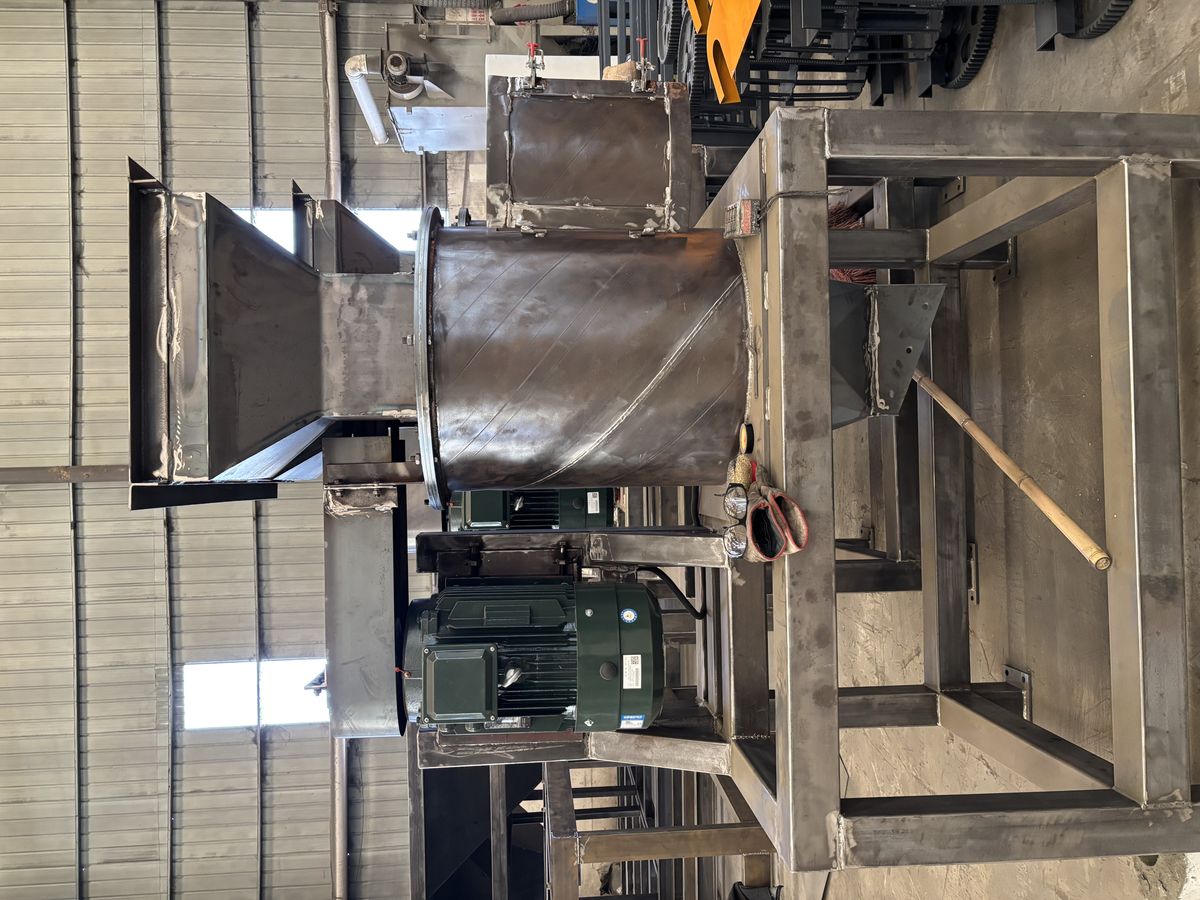
Verticale, orizzontale, frantoi a catena e semiumido per compost, urea e materie prime chimiche, riducendo il materiale sottostante 3 mm.
Visualizza i dettagli →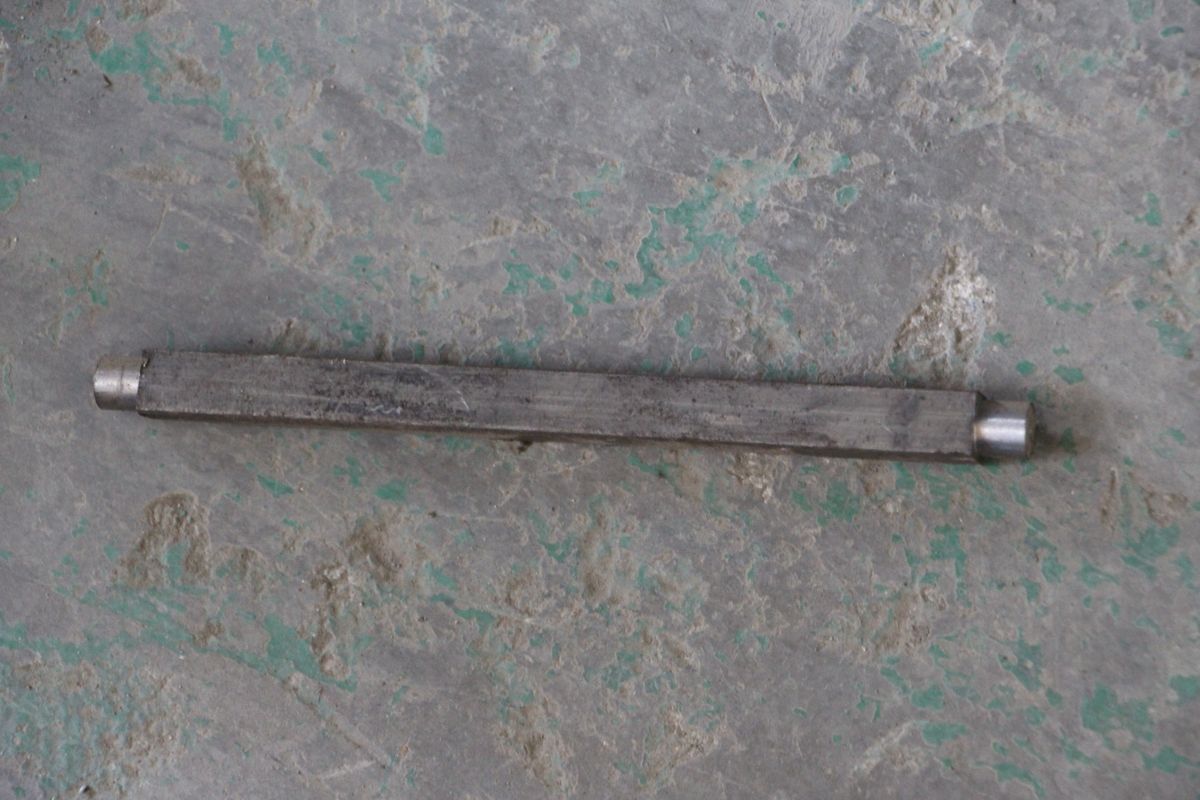
Mulini a gabbia con rottura d'urto per materiali fertilizzanti composti, con 10 Capacità di classe t/h e funzionamento con controllo della polvere.
Visualizza i dettagli →
Essiccazione e raffreddamento per portare i pellet al 12–14% di umidità, più le fasi di depolverazione e confezionamento che seguono.
Visualizza i dettagli →| Palcoscenico | Macchina | Scopo | Specifica tipica |
|---|---|---|---|
| Frantumazione | Frantumatore di fertilizzanti, mulino a gabbia | Ridurre il compost e i grumi chimici di seguito 3 mm | 1–20 t/ora, 7.5–45kW |
| Batch | Sistema di dosaggio automatico | Pesare ogni materia prima per ottenere una formula accurata | 3–6 ingredienti, Precisione ±0,5%. |
| Miscelazione | Miscelatore orizzontale, miscelatore di granuli | Miscela i nutrienti, legante e additivi in modo uniforme | 3–Ciclo di 5 minuti, 1–20 t/ora |
| Essiccazione | Asciugatrice rotativa | Ridurre l'umidità del pellet 30% al 12-14% | 1–30 t/ora, 7.5–75kW |
| Raffreddamento | Raffreddatore rotativo | Stabilizzare il pellet e prevenire l'agglomerazione | Adattato alla capacità dell'asciugatrice |
| Screening | Vaglio rotante | Separare il pellet corretto, riciclare fuori misura e multe | 1–30 t/ora |
| Rivestimento | Verniciatore a tamburo | Applicare una pellicola antiagglomerante o un inoculante microbico | 1–20 t/ora |
| Imballaggio | Macchina confezionatrice automatica | Pesare e sigillare 25/40/50 sacchi da kg o jumbo bag | 200–600 sacchi/ora |
Perché i pellet sono costituiti da particelle. Se il mangime contiene grumi sopra 3 mm il legante non riesce a bagnarli uniformemente, il pellet forma una superficie ruvida, e si rompe durante l'essiccazione e la manipolazione. La frantumazione è il modo più economico per migliorare la qualità del pellet in qualsiasi linea di fertilizzanti.
Un miscelatore orizzontale o bialbero normalmente necessita di un ciclo di 3–5 minuti per raggiungere l'uniformità: 1–2 minuti di caricamento, 2–3 minuti di miscelazione e 1 minuto di scarico. Una miscelazione molto più lunga non migliora l'uniformità e riduce la produttività dell'impianto.
12–14% per pellet di fertilizzante organico e inferiori 2% per fertilizzanti chimici composti dove il prodotto è molto igroscopico. Sopra 15% c'è abbastanza acqua libera per muffe e incrostazioni durante lo stoccaggio; sotto 10% i pellet organici diventano fragili e producono polvere.
SÌ, ed è un disegno comune. Il dosaggio, miscelazione, screening, le sezioni di rivestimento e imballaggio sono condivise, mentre il frantoio e il granulatore possono essere duplicati perché il compost organico e i sali chimici necessitano di tipologie di macchine diverse.
Fotografato nel nostro laboratorio di Xingyang e presso i siti dei clienti. Senza filigrana, nessun numero di telefono.


In una linea di granulazione ad umido l'essiccatore, il sistema di raffreddamento e di raccolta delle polveri insieme in genere rappresentano un'ampia quota sia del capitale che dei costi di gestione, perché l’essiccazione è la fase ad alta intensità energetica. In granulazione secca o linea BB, le apparecchiature di elaborazione rappresentano una percentuale molto più piccola.
Sì, in quasi tutti i casi. Frantoi, i vagli e le stazioni di imballaggio generano polvere, e le normative locali di solito richiedono la cattura alla fonte. Un sistema di raccolta polveri recupera anche il prodotto che altrimenti andrebbe perso, quindi in parte si ripaga da solo.
Dall'acqua che deve evaporare, non solo dal tonnellaggio. Calcoliamo l'umidità in entrata e quella target, il tonnellaggio orario, le temperature dell'aria in ingresso e in uscita e il tipo di carburante, quindi selezionare il diametro del tamburo, lunghezza e bruciatore di conseguenza.
SÌ. I clienti che ammodernano un impianto esistente acquistano regolarmente solo un frantoio, miscelatore, asciugatrice o vaglio. Dimensioniamo l'unità in modo che corrisponda alla vostra attrezzatura esistente e confermiamo le dimensioni di connessione prima della produzione.
Macchine miscelatrici orizzontali per fertilizzanti: monoalbero, design a doppio albero e tradizionali che mescolano il compost, legante e…
Leggi di più→Miscelatori di granuli per la miscelazione di fertilizzanti BB: dosaggio accurato e miscelazione delicata dell'N, P, Granuli K con…
Leggi di più→Frantumatori di fertilizzanti per compost organico, Prodotti chimici NPK e materiale semiumido: verticale, orizzontale, catena e gabbia cru…
Leggi di più→I frantoi a gabbia utilizzano la rottura ad impatto per frantumare i materiali fertilizzanti composti in polvere fine, con 10 capacità classe t/h…
Leggi di più→Gli essiccatori rotativi riducono l'umidità dei pellet di fertilizzante al 12-14%, con raffreddamento abbinato, rimozione polvere e imballaggio cervo…
Leggi di più→
Linee complete di produzione di fertilizzanti da 1 A 50 t/h: organico, bio-organico, composto, NPK e miscelazione sfusa (BB) piano…
Leggi di più→Invia la tua materia prima e la capacità target: i nostri ingegneri rispondono entro un giorno lavorativo con un percorso di processo, elenco delle attrezzature e budget.
Il nostro team di tecnici risponderà entro un giorno lavorativo. Per qualsiasi cosa urgente, inviaci un messaggio su WhatsApp.
Apri WhatsApp