
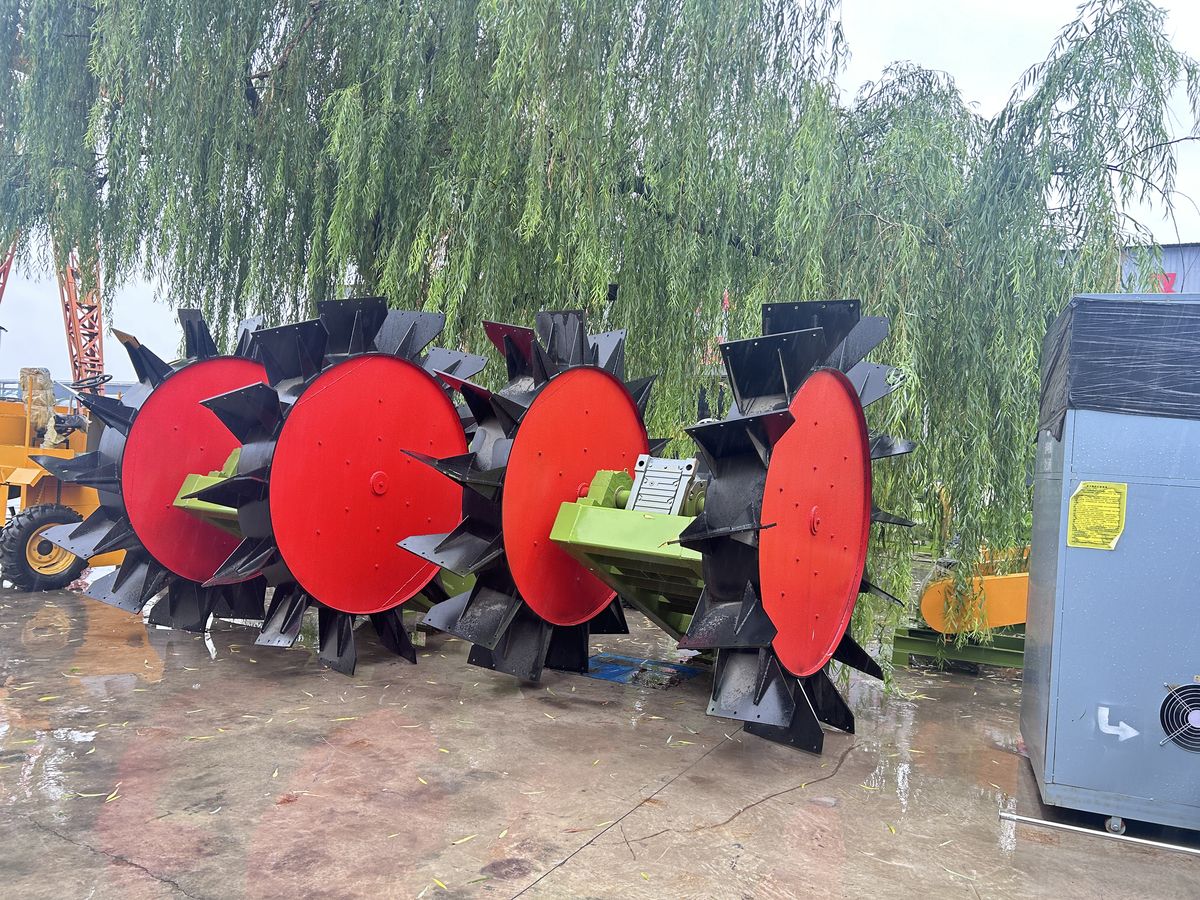
Attrezzatura per il rivoltamento del compost
Panoramica della gamma completa di compostaggio e come abbinare una paletta al tuo cumulo, stazza e sito.
Visualizza i dettagli →Il compostaggio sembra semplice – ammucchia il letame e aspetta – ma un impianto di compostaggio commerciale ha quattro lavori da svolgere in modo affidabile: mantenere l'ossigeno in movimento nel mucchio in modo che rimanga aerobico, tieni il nucleo sopra 55 °C abbastanza a lungo da uccidere agenti patogeni e semi di erbe infestanti, mantenere l'umidità al 55–65% in modo che i microbi rimangano attivi, e girare il materiale abbastanza spesso da far sì che la parte esterna della pila trascorra del tempo nel nucleo caldo. Ogni tipo di attrezzatura per il compostaggio è una risposta meccanica diversa a questi quattro lavori.
La scelta tra i rivoltatori di andane, tipo scanalato (canale) tornitori, macchine semoventi, i ribaltatori di carrelli elevatori e i recipienti di fermentazione in contenitori sono quindi guidati dal volume, spazio disponibile, clima e quanto rigorosamente è regolato l'odore. Sotto, ciascuna tipologia è descritta con la fascia di tonnellaggio più adatta.
Panoramica della gamma completa di compostaggio e come abbinare una paletta al tuo cumulo, stazza e sito.
Visualizza i dettagli →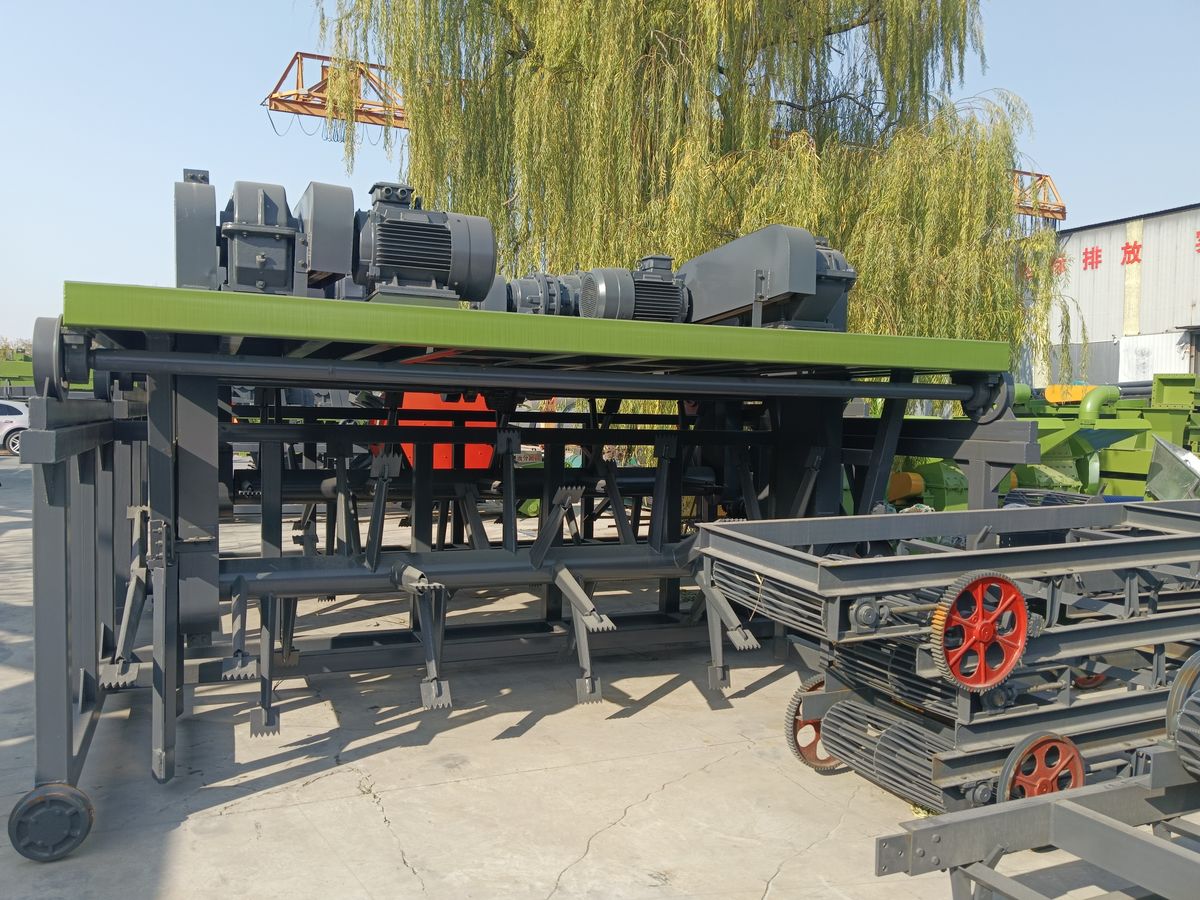
Tipo di scanalatura, rivoltatori a ruote e a catena per compostaggio municipale e industriale da 100–1.000 t/giorno.
Visualizza i dettagli →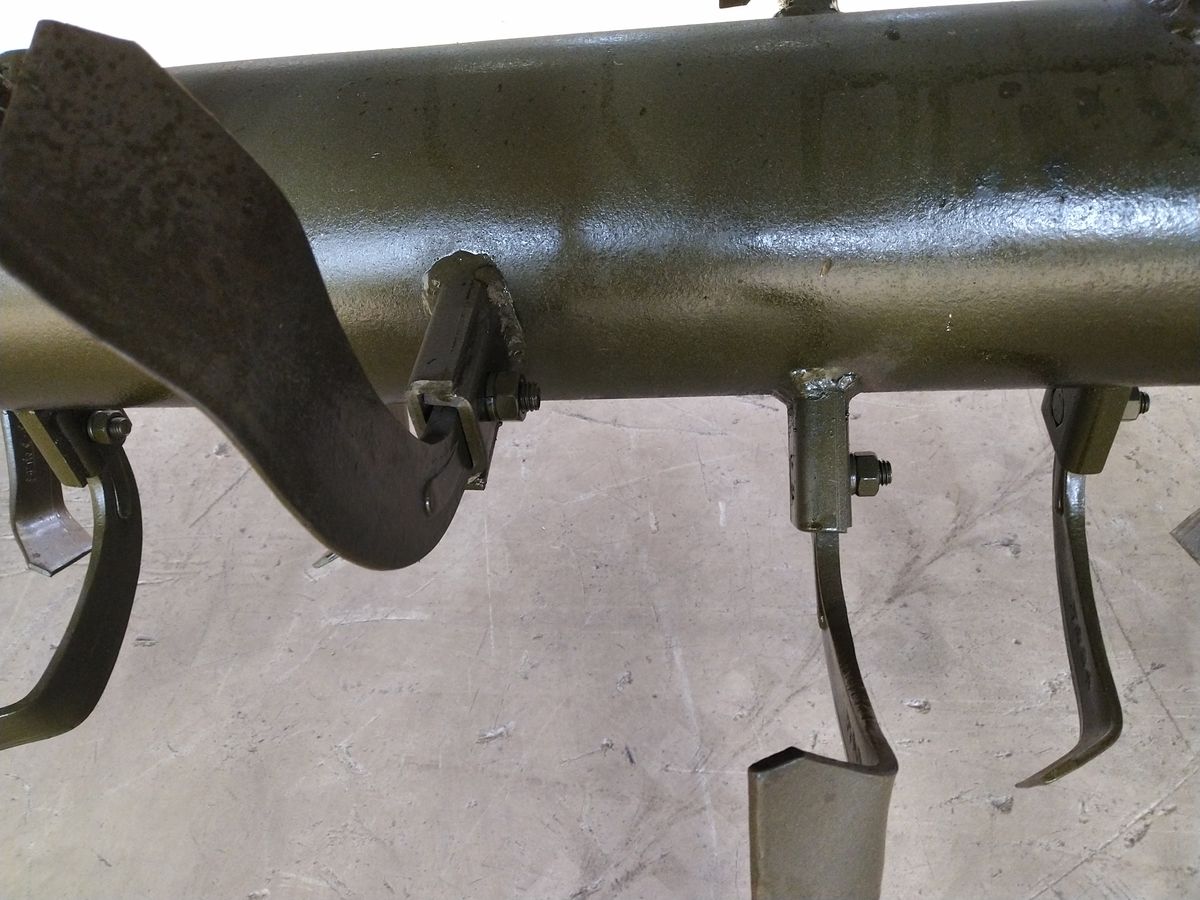
Rivoltatori d'andane cingolati e mobili per pali a cielo aperto; l’opzione più conveniente per il compostaggio su scala agricola.
Visualizza i dettagli →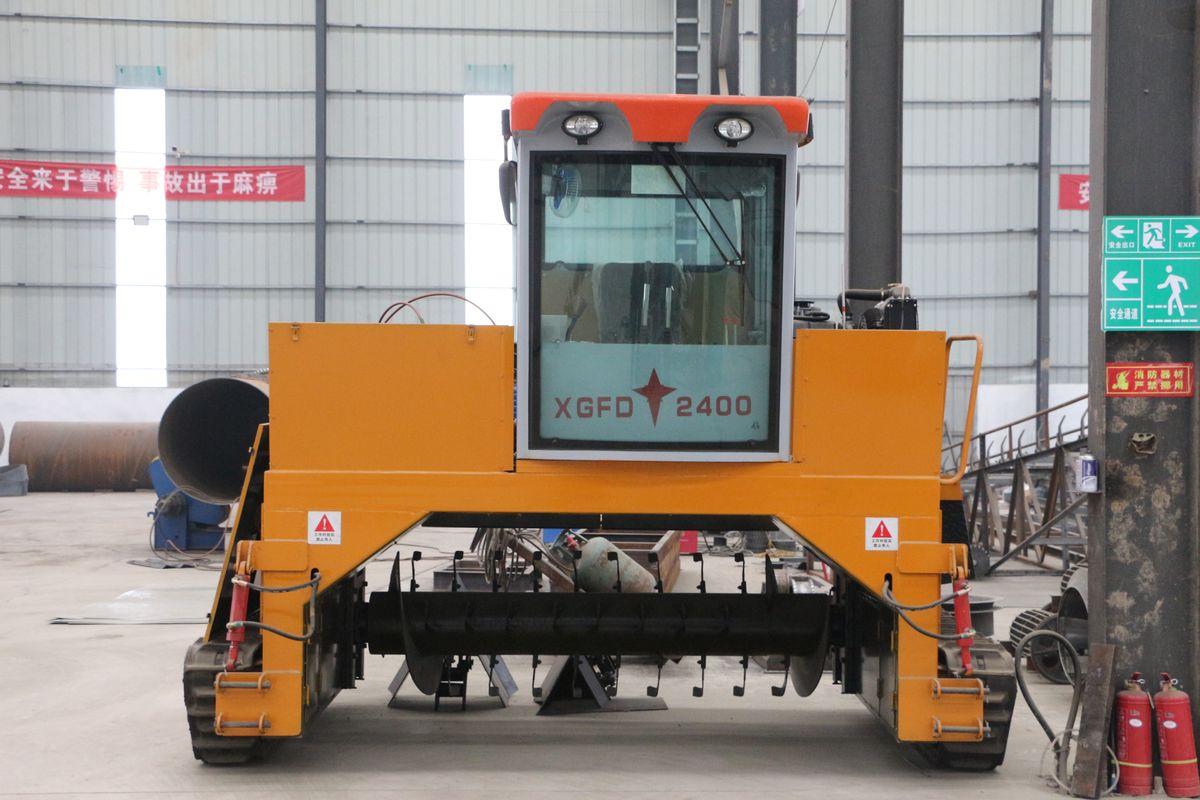
Guida un solo operatore, gira e riimpila; ideale dove la manodopera è costosa e la disposizione dell'andana cambia.
Visualizza i dettagli →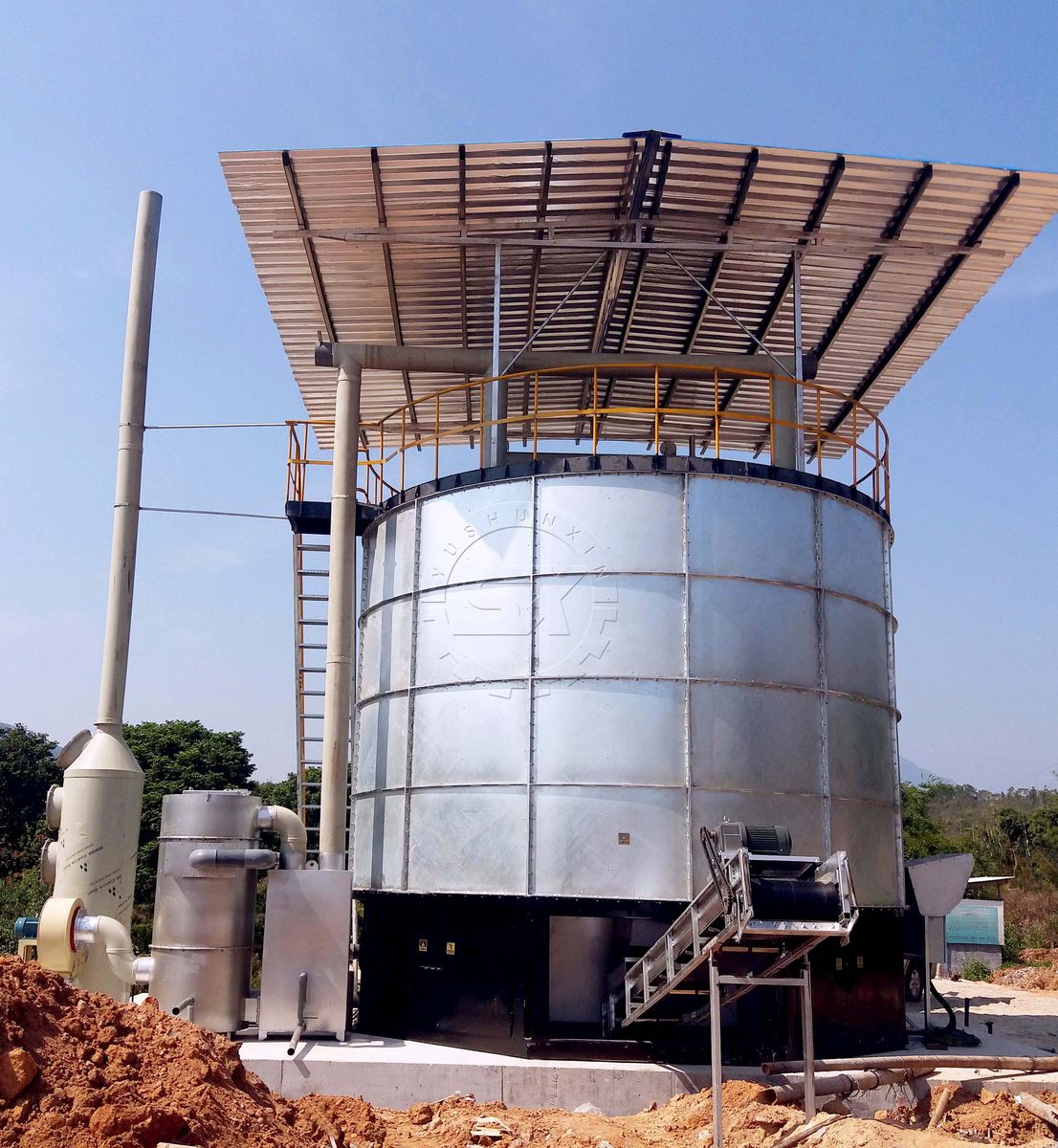
Serbatoi di fermentazione chiusi con aerazione forzata per siti sensibili agli odori e umidi, rifiuti ad alto contenuto di azoto.
Visualizza i dettagli →Il set completo per il compostaggio del letame: separatore, tornitore, deodorante e schermante, dimensionato per la tua mandria.
Visualizza i dettagli →Sistemi progettati attorno al bagnato, lettiere di pollame ricche di ammoniaca e compostaggio della mortalità del pollame.
Visualizza i dettagli →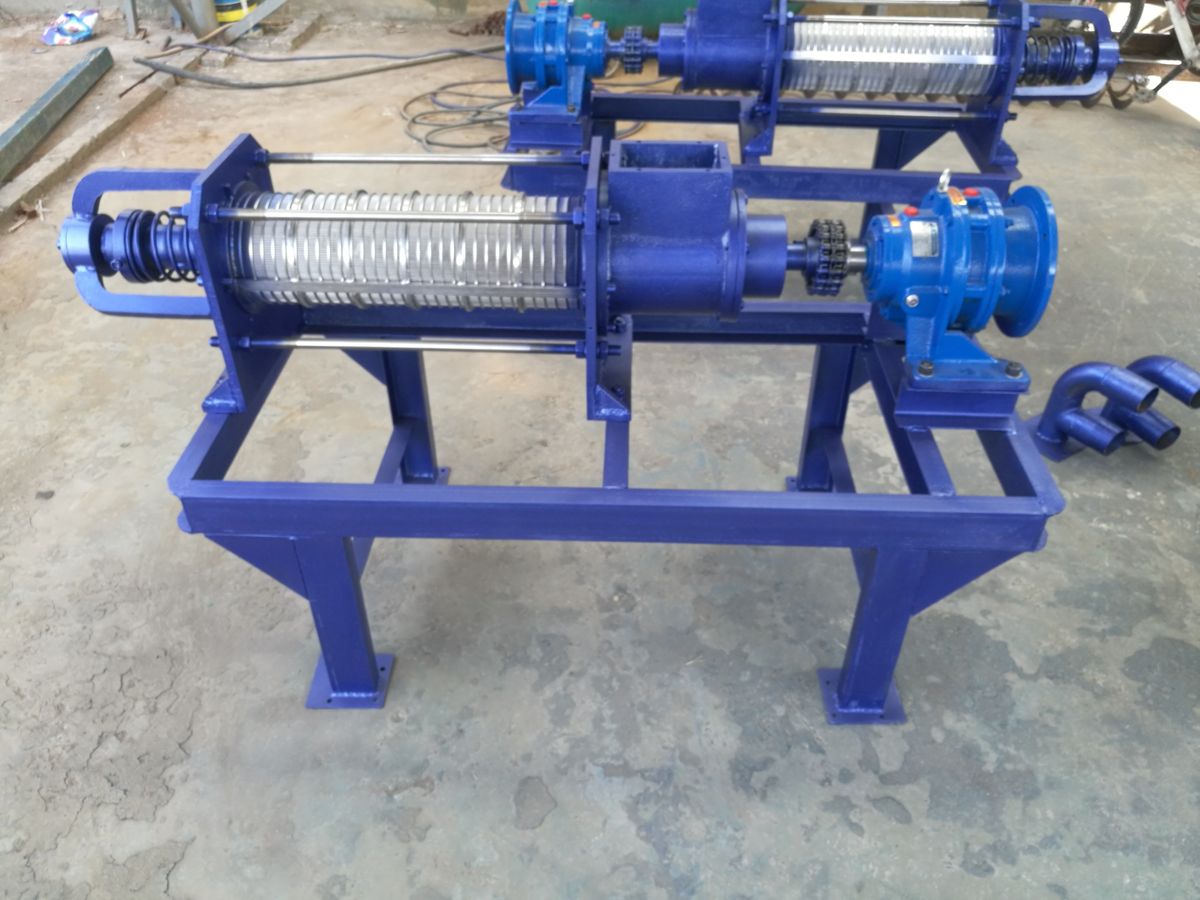
Disidratare il liquame prima del compostaggio in modo che il cumulo si comporti bene e i costi di essiccazione diminuiscano.
Visualizza i dettagli →| Tipo di attrezzatura | Capacità | Orma | Controllo degli odori | La migliore applicazione |
|---|---|---|---|---|
| Piccolo rivoltatore di andane | 50–200 t/giorno | Aprire il tampone, 3 m andane | Moderare | Fattorie, cooperative |
| Cingolato / rivoltatore di andane mobile | 100–500 t/giorno | 4–Andane da 6 m, tampone aperto | Moderare | Fattorie commerciali, piante fertilizzanti |
| Rivoltatore di compost semovente | 200–800 t/giorno | Pad completamente aperto | Moderare | Grandi aziende agricole, servizi dell'appaltatore |
| Tipo scanalato (canale) tornitore | 100–1.000 t/giorno | Canali di fermentazione in calcestruzzo | Da moderato ad alto | Impianti comunali, fabbriche a pianta fissa |
| Giralama | 200–1.000 t/giorno | Baie di fermentazione profonde | Alto | Compostaggio industriale |
| Serbatoio di fermentazione in vaso | 5–100 t/giorno | Compatto, interno possibile | Molto alto | Spreco alimentare, siti urbani, aree sensibili agli odori |
| Rivoltatore di compost con carrello elevatore | 50–300 t/giorno | Aprire il tampone | Da basso a moderato | Flotte di carrelli elevatori esistenti, basso investimento |
Misura l'umidità, rapporto carbonio/azoto e dimensione delle particelle. Aggiungi la paglia, segatura o compost finito per portare il rapporto a 25–30:1 e umidità al 55–65%.
Prevedere una piattaforma in cemento o compattata con drenaggio e raccolta del percolato. Sono standard andane di 1,5–2 m di altezza e 3–6 m di larghezza; i canali vengono trasmessi al tornitore's la larghezza della carreggiata.
Strato di materiale di carbonio e azoto in a 3:1 rapporto e iniziare a girare immediatamente. Aggiungi uno starter di compost maturo per abbreviare la fase di latenza.
Girare ogni giorno per la prima settimana, poi ogni due o tre giorni. Monitorare la temperatura con una sonda; girare ogni volta che il nucleo cade sotto 50 °C o supera 70 °C.
Dopo 7-15 giorni la pila si raffredda e smette di riscaldarsi. Scherma il compost, riutilizzare il sopravaglio come agente di carica e inviare i fini alla granulazione o all'imballaggio.
Ogni giorno per i primi 5–7 giorni mentre la pila si riscalda, poi ogni 2-3 giorni finché non si raffredda. La regola è più semplice del programma: girare quando la temperatura interna scende al di sotto 50 °C, perché ciò significa che l'ossigeno si sta esaurendo e la pila sta diventando anaerobica.
55–65°C. Sopra 55 °C gli agenti patogeni e i semi delle erbe infestanti vengono distrutti; Sopra 65 °C i batteri termofili che svolgono il lavoro iniziano a morire e il mucchio perde azoto sotto forma di ammoniaca. Sotto 45 °C il processo di compostaggio rallenta notevolmente.
7–15 giorni di fermentazione termofila attiva, seguiti da 10-20 giorni di maturazione prima che il compost sia completamente stabile. Aggiunta di uno starter batterico, mantenendo l'umidità vicina 60% e l'attivazione della pianificazione la comprime all'estremità inferiore dell'intervallo.
Nelle regioni con forti piogge sì, o almeno un sistema di drenaggio coperto. La pioggia in eccesso intasa il mucchio, provoca percolato e allunga il ciclo. Molti clienti utilizzano una semplice struttura in acciaio sopra l'area dell'andana, che migliora anche la gestione degli odori.
Fotografato nel nostro laboratorio di Xingyang e presso i siti dei clienti. Senza filigrana, nessun numero di telefono.

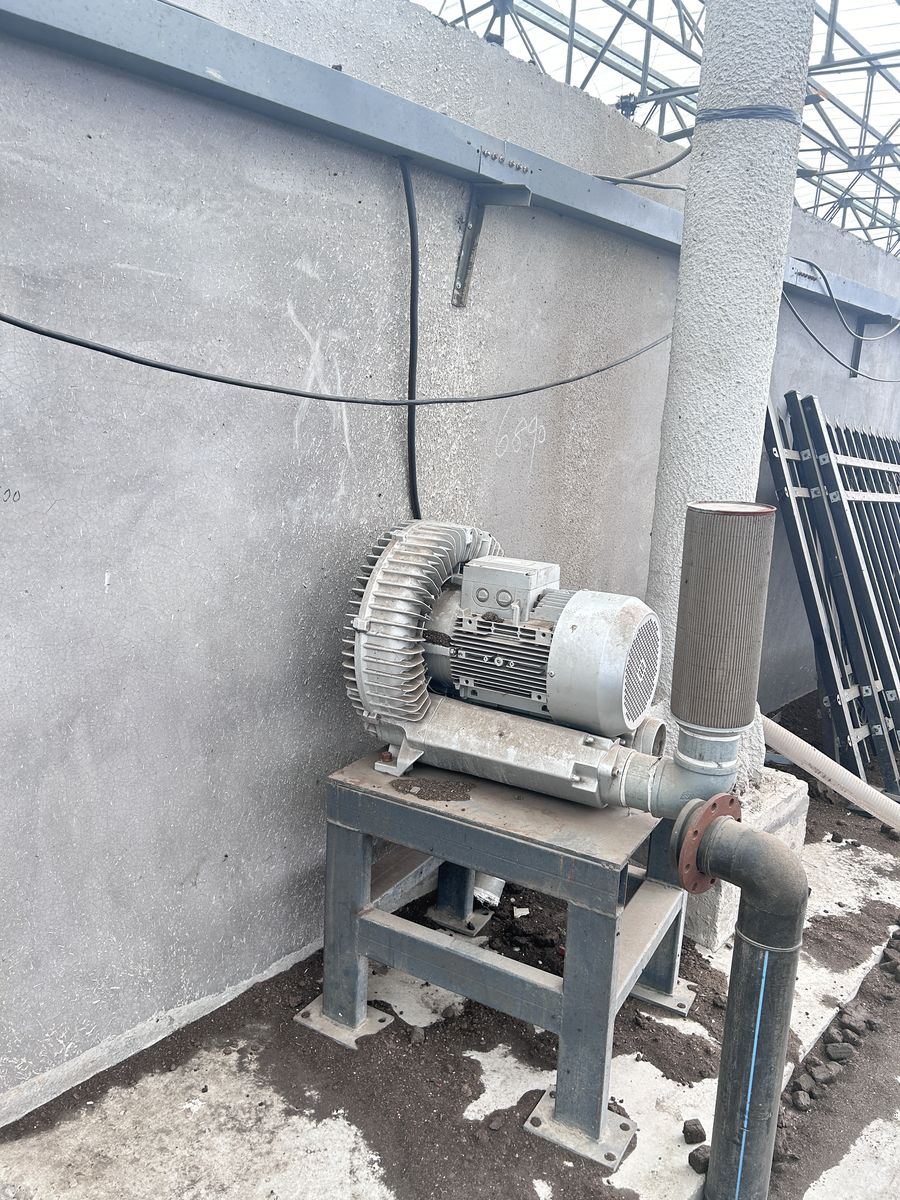


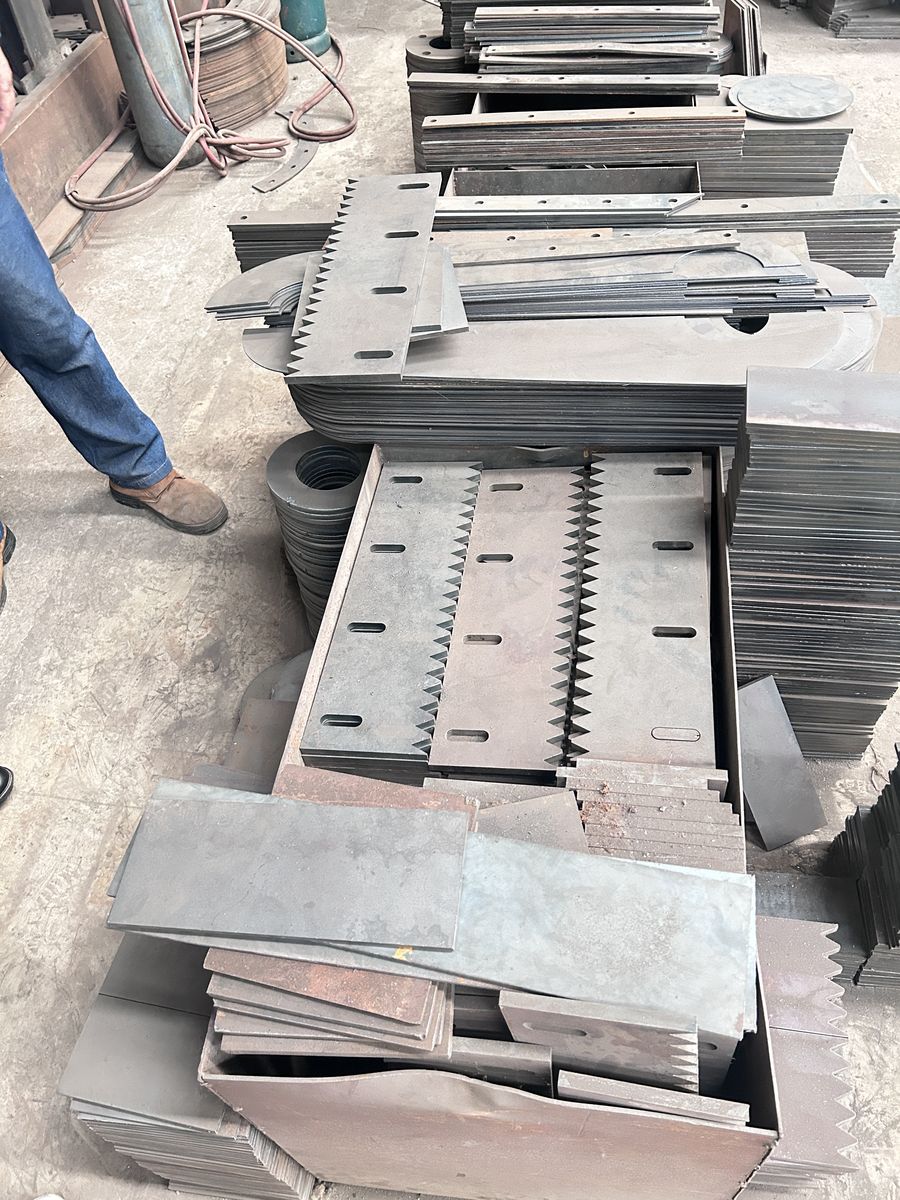
Per la maggior parte delle aziende agricole, il miglior rapporto qualità-prezzo è un rivoltatore cingolato o di tipo mobile: è autonomo, non ha bisogno di un canale concreto, e gestisce fino a circa 500 t/giorno. Se la manodopera è scarsa o il sito è angusto, una ribaltatrice semovente o un piccolo serbatoio interno valgono il costo aggiuntivo.
Un piccolo rivoltatore di andane inizia con un investimento modesto e si adatta alla larghezza di svolta e alla potenza del motore. I tornitori a scanalatura e i serbatoi di fermentazione in recipiente costano di più perché includono le rotaie, tubazioni di aerazione o una struttura in calcestruzzo, ma garantiscono un controllo del processo più rigoroso e un contenimento degli odori molto migliore.
SÌ, ma la pila sarà più lenta e lo strato esterno si congelerà. Le misure pratiche consistono nel costruire pali leggermente più grandi, isolare con uno strato di compost finito o paglia, girare meno spesso ma più a fondo, e utilizzare la fermentazione nel recipiente in cui il recipiente stesso fornisce l'isolamento.
Frantumazione, miscelazione e confezionamento in polvere o granulazione. Il compost che lascia il mucchio ha un'umidità del 55–65% e una dimensione di 0–30 mm, quindi sono sempre necessari un frantoio e un vaglio; un granulatore, asciugatrice, il dispositivo di raffreddamento e il dispositivo di rivestimento vengono aggiunti se il target sono i pellet.
Vendo attrezzatura per compostaggio: andana, scanalatura, rivoltatori di compost semoventi e su nave per letame, fanghi e/o...
Leggi di più→Macchine rivoltatrici di compost di grandi dimensioni per piante da 100–1.000 t/giorno: tipo scanalato, ribaltatori a ruota e a catena per mu…
Leggi di più→Apparecchiature per il compostaggio in nave con serbatoi di fermentazione aerobica chiusi, aerazione forzata e controllo della temperatura: ideali...
Leggi di più→Attrezzature per il compostaggio del letame: separatori, rivoltatori e sistemi di deodorazione che convertono il bestiame, letame di maiale e pollame i…
Leggi di più→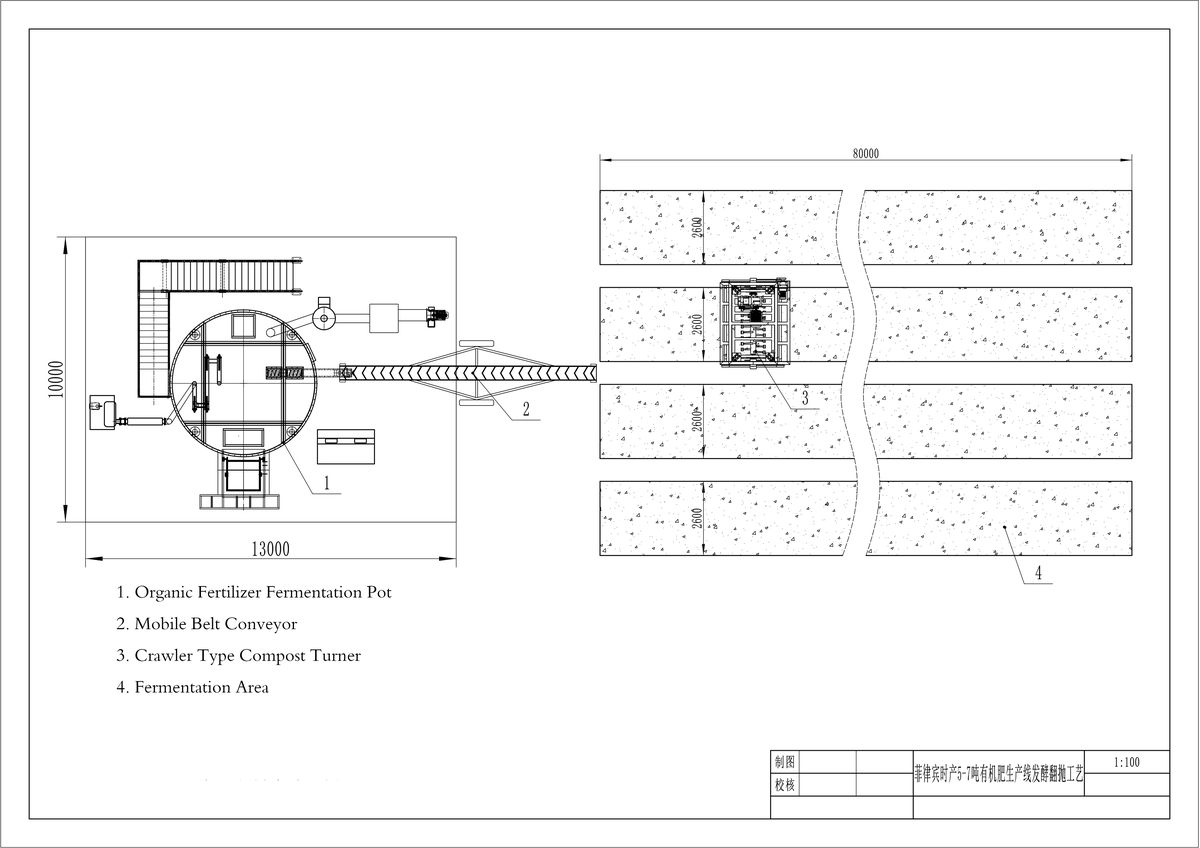
Soluzioni di smaltimento dei rifiuti da Shunxin: disidratazione, compostaggio, granulazione, essiccazione e confezionamento. Girare il letame, azienda agricola…
Leggi di più→Linee complete di produzione di fertilizzanti da 1 A 50 t/h: organico, bio-organico, composto, NPK e miscelazione sfusa (BB) piano…
Leggi di più→Invia la tua materia prima e la capacità target: i nostri ingegneri rispondono entro un giorno lavorativo con un percorso di processo, elenco delle attrezzature e budget.
Il nostro team di tecnici risponderà entro un giorno lavorativo. Per qualsiasi cosa urgente, inviaci un messaggio su WhatsApp.
Apri WhatsApp