
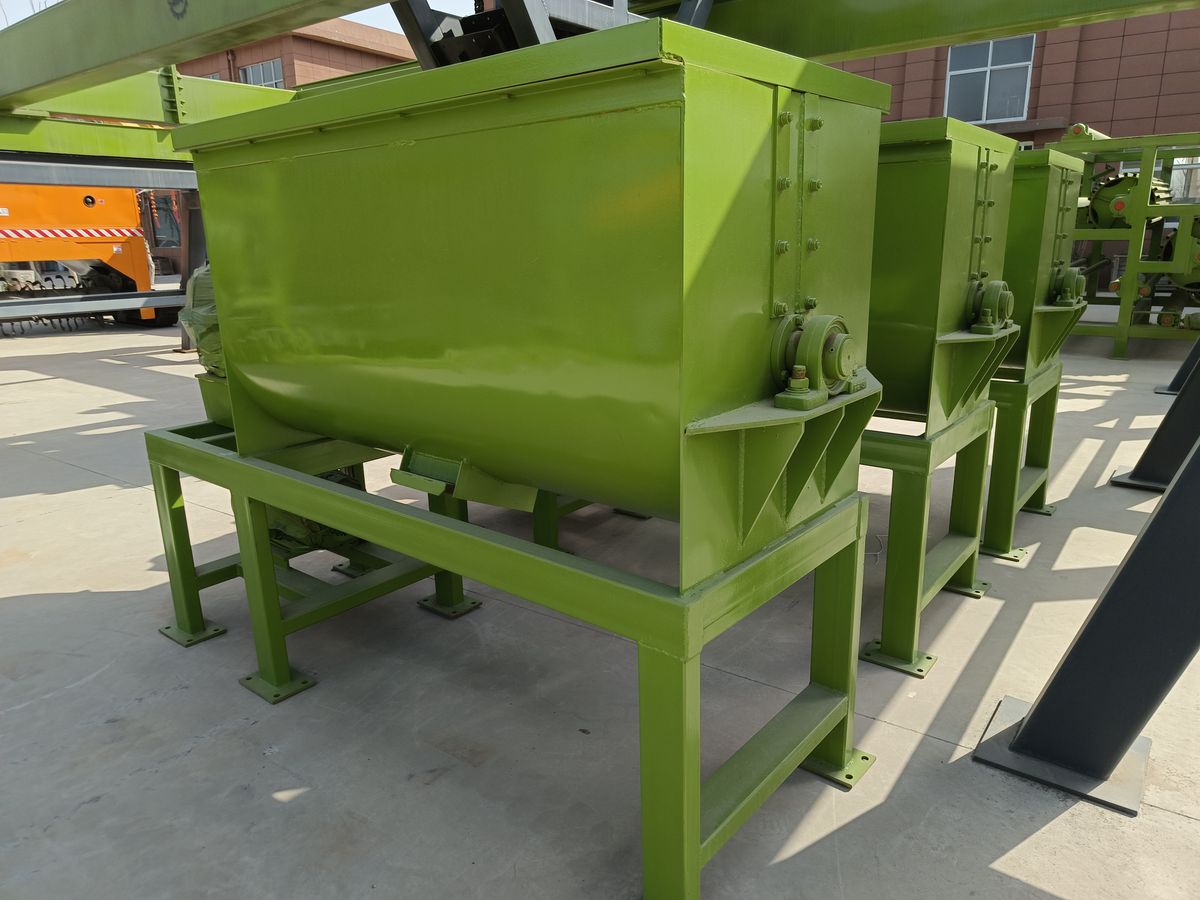
دستگاه میکسر افقی
تک شفت, میکسرهای افقی دو شفت و سنتی برای ترکیب کمپوست با کلاسورها, افزودنی ها و مواد مغذی شیمیایی به طور یکنواخت.
مشاهده جزئیات →در یک کارخانه کود، گرانولاتور مورد توجه قرار می گیرد, اما ماشین های اطراف آن نتیجه را تعیین می کنند. گرانولاتور تغذیه شده با موادی که در زیر خرد نشده اند 3 میلی متر زبر تولید می کند, گلوله های ضعیف مهم نیست که چگونه تنظیم شده است. مخلوط کن که دسته را ناهموار می کند کیسه هایی تولید می کند که آنالیز آنها با برچسب مطابقت ندارد. و یک خشک کن که گلوله ها را در 18% رطوبت به جای 12% ظرف یک ماه انباری را در انبار تولید می کند.
این مراحل پردازش همچنین جایی است که بیشتر هزینه های جاری در آن قرار می گیرد, زیرا خرد کردن و خشک کردن انرژی بسیار بیشتری نسبت به دانه بندی مصرف می کند. اندازه گیری صحیح آنها - به جای بزرگ کردن بیش از حد برای ایمنی - اهرم اصلی در هزینه انرژی به ازای هر تن کود نهایی است..
تک شفت, میکسرهای افقی دو شفت و سنتی برای ترکیب کمپوست با کلاسورها, افزودنی ها و مواد مغذی شیمیایی به طور یکنواخت.
مشاهده جزئیات →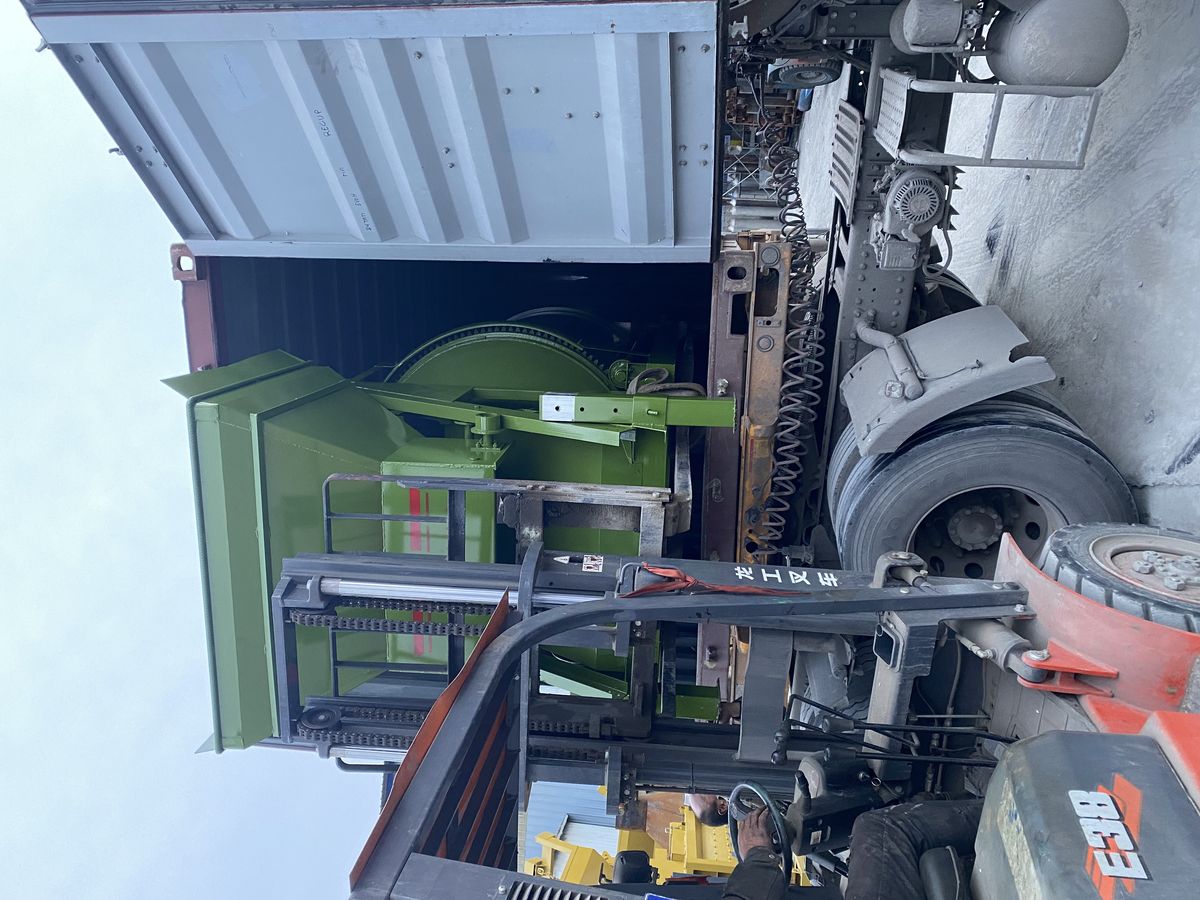
اختلاط دقیق گرانول های کود تمام شده برای تولید کود BB, با دوز دقیق و اختلاط ملایم.
مشاهده جزئیات →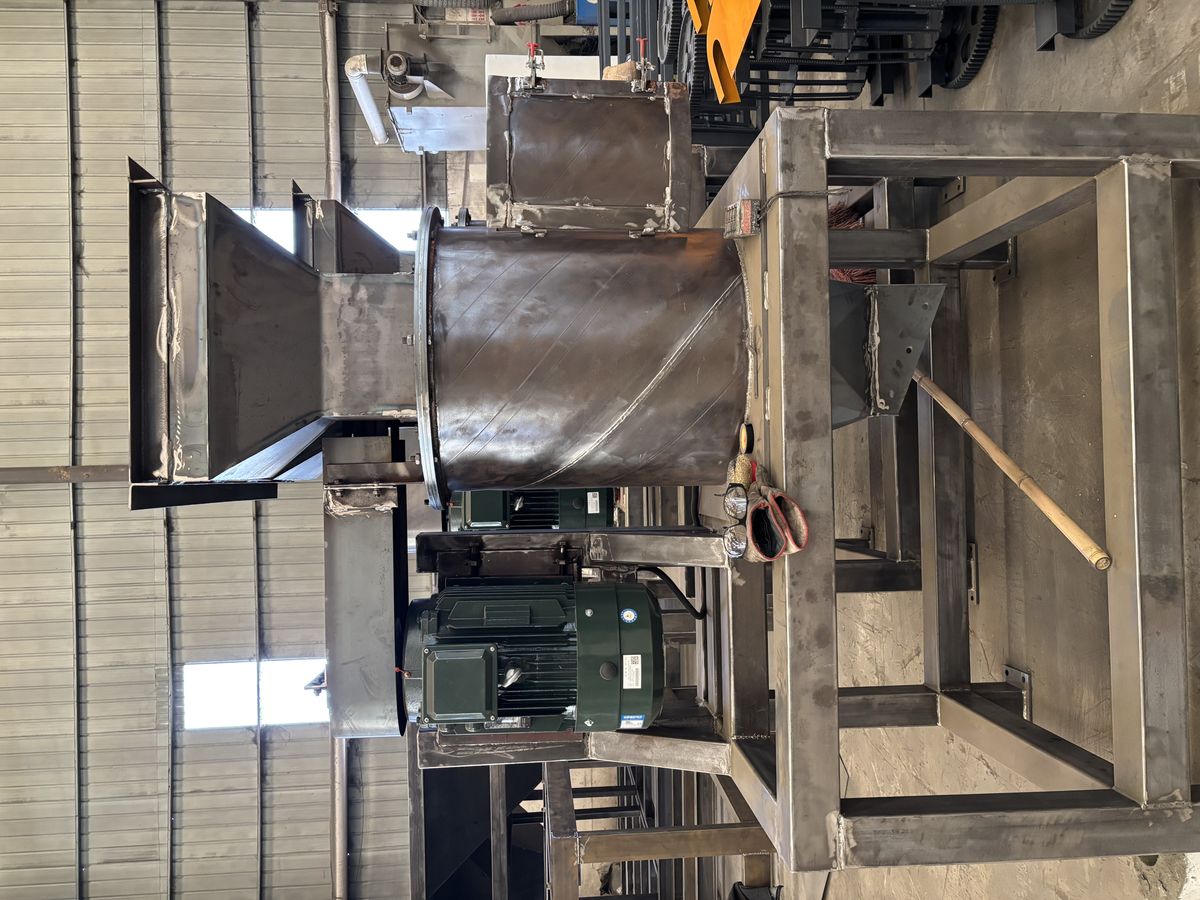
عمودی, افقی, سنگ شکن های زنجیره ای و نیمه مرطوب برای کمپوست, اوره و مواد اولیه شیمیایی, کاهش مواد زیر 3 مگنی.
مشاهده جزئیات →
آسیاب های ضربه شکن قفس برای مواد کود مرکب, با 10 ظرفیت کلاس t/h و عملکرد کنترل گرد و غبار.
مشاهده جزئیات →
خشک کردن و خنک کردن برای رساندن گلوله ها به رطوبت 12-14٪, به علاوه مراحل حذف گرد و غبار و بسته بندی که در پی خواهد آمد.
مشاهده جزئیات →| مرحله | ماشین | هدف | مشخصات معمولی |
|---|---|---|---|
| خرد کردن | سنگ شکن کود, آسیاب قفس | کمپوست و توده های شیمیایی زیر را کاهش دهید 3 مگنی | 1-20 تن در ساعت, 7.5-45 کیلو وات |
| دسته بندی | سیستم بچینگ اتوماتیک | هر ماده خام را برای فرمول دقیق وزن کنید | 3-6 مواد تشکیل دهنده, دقت 0.5% |
| مخلوط کردن | میکسر افقی, مخلوط کن گرانول | ترکیب مواد مغذی, چسب و مواد افزودنی به طور یکنواخت | 3سیکل 5 دقیقه ای, 1-20 تن در ساعت |
| خشک کردن | دستگاه خشک کن چرخشی | کاهش رطوبت گلوله از 30% به 12-14٪ | 1-30 تن در ساعت, 7.5-75 کیلو وات |
| خنک کننده | کولر دوار | پلت را تثبیت کنید و از کیک شدن جلوگیری کنید | مطابق با ظرفیت خشک کن |
| غربالگری | نمایشگر چرخشی | گلوله های صحیح را جدا کنید, بازیافت بزرگ و جریمه | 1-30 تن در ساعت |
| پوشش | روکش درام | از فیلم ضد جوش یا تلقیح میکروبی استفاده کنید | 1-20 تن در ساعت |
| بسته بندی | دستگاه بسته بندی اتوماتیک | وزن کنید و مهر و موم کنید 25/40/50 کیسه های کیلوگرمی یا جامبو بگ | 200– 600 کیسه در ساعت |
زیرا گلوله ها از ذرات ساخته می شوند. اگر خوراک حاوی توده های بالا باشد 3 میلی متر چسب نمی تواند آنها را به طور یکنواخت خیس کند, گلوله یک سطح ناهموار را تشکیل می دهد, و در هنگام خشک کردن و جابجایی می شکند. خرد کردن ارزان ترین راه برای بهبود کیفیت گلوله در هر خط کود است.
یک میکسر افقی یا دو شفت معمولاً برای رسیدن به یکنواختی به یک چرخه 3 تا 5 دقیقه ای نیاز دارد: 1-2 دقیقه بارگذاری, 2– 3 دقیقه هم زدن و 1 دقیقه ترخیص. اختلاط طولانی تر باعث بهبود یکنواختی نمی شود و توان عملیاتی گیاه را کاهش می دهد.
12-14% برای گلوله های کود آلی و کمتر 2% برای کود ترکیبی شیمیایی که در آن محصول بسیار مرطوب است. بالا 15% آب آزاد کافی برای قالب و کیک در طول نگهداری وجود دارد; زیر 10% گلوله های آلی شکننده می شوند و گرد و غبار تولید می کنند.
بله, و یک طرح رایج است. دسته بندی, مخلوط کردن, غربالگری, بخش های پوشش و بسته بندی مشترک هستند, در حالی که سنگ شکن و گرانولاتور ممکن است تکراری باشند زیرا کمپوست آلی و نمک های شیمیایی به انواع ماشین آلات مختلف نیاز دارند..
در کارگاه Xingyang ما و در سایت های مشتریان عکس گرفته شده است. بدون واترمارک, بدون شماره تلفن.


در خط دانه بندی مرطوب خشک کن, کولر و سیستم جمعآوری گرد و غبار با هم معمولاً سهم زیادی از سرمایه و هزینه جاری را تشکیل میدهند, زیرا خشک کردن انرژی برترین مرحله است. در گرانول خشک یا خط BB, تجهیزات پردازش نسبت بسیار کمتری است.
بله تقریبا در همه موارد. سنگ شکن ها, غربالگرها و ایستگاه های بسته بندی همگی گرد و غبار تولید می کنند, و مقررات محلی معمولاً نیاز به ضبط در منبع دارند. یک سیستم جمع آوری گرد و غبار نیز محصولی را که در غیر این صورت از بین می رفت، بازیابی می کند, بنابراین تا حدی برای خود هزینه می کند.
از آبی که باید تبخیر شود, نه از تناژ تنها. ما رطوبت ورودی و هدف را محاسبه می کنیم, تناژ در ساعت, دمای هوای ورودی و خروجی و نوع سوخت, سپس قطر درام را انتخاب کنید, طول و مشعل بر این اساس.
بله. مشتریانی که یک کارخانه موجود را ارتقا می دهند به طور منظم فقط یک سنگ شکن می خرند, مخلوط کن, خشک کن یا غربالگر. ما اندازه واحد را متناسب با تجهیزات موجود شما می کنیم و ابعاد اتصال را قبل از ساخت تأیید می کنیم.
دستگاه میکسر کود افقی: تک شفت, طرح های دو شفت و سنتی که کمپوست را با هم ترکیب می کنند, کلاسور و…
ادامه مطلب →دستگاه اختلاط گرانول برای مخلوط کردن کود BB: دوز دقیق و اختلاط ملایم N نهایی, پ, گرانول K با…
ادامه مطلب →دستگاه های سنگ شکن کود برای کمپوست آلی, مواد شیمیایی NPK و مواد نیمه مرطوب: عمودی, افقی, زنجیر و قفس cru…
ادامه مطلب →سنگ شکن های آسیاب قفس از شکستن ضربه ای برای خرد کردن مواد کود مرکب به پودر ریز استفاده می کنند, با 10 ظرفیت کلاس t/h…
ادامه مطلب →دستگاه های خشک کن چرخشی رطوبت گلوله کود را به 12 تا 14 درصد کاهش می دهند., با خنک کننده همسان, حذف گرد و غبار و بسته بندی گوزن …
ادامه مطلب →
خطوط کامل تولید کود از 1 به 50 T/H: وابسته به ارگانیک, زیست ارگانیک, مرکب, NPK و ترکیب فله (BB) برنامه ریزی…
ادامه مطلب →مواد خام و ظرفیت مورد نظر خود را ارسال کنید - مهندسان ما ظرف یک روز کاری با یک مسیر فرآیند پاسخ می دهند, لیست تجهیزات و بودجه.
تیم مهندسی ما ظرف یک روز کاری پاسخ خواهند داد. برای هر چیز فوری, در واتس اپ به ما پیام دهید.
واتس اپ را باز کنید