
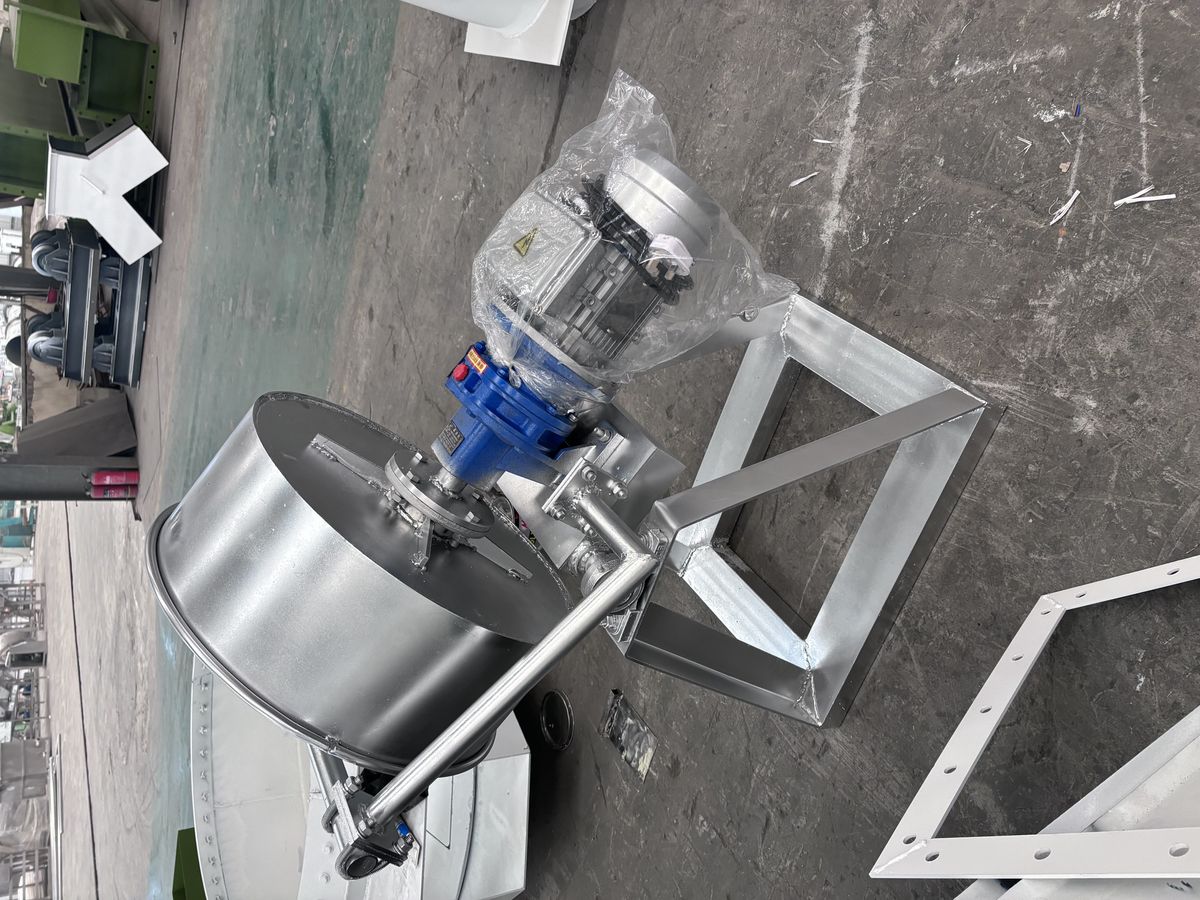
گراور کننده دیسک
یک تابه شیبدار دوار با غلتاندن گلوله های گرد را تشکیل می دهد. نرخ دانه بندی تا 93%, ظرفیت 0.1-50 تن در ساعت, گرانول کود آلی استاندارد.
مشاهده جزئیات →هر گرانولاتور به یک سوال پاسخ می دهد: چگونه می توانید پودر شل را به عنوان یک گلوله گرد نگه دارید؟? تنها دو پاسخ مکانیکی وجود دارد. دانه بندی مرطوب رطوبت و هم زدن را اضافه می کند تا زمانی که ذرات به هم متصل شوند و به شکل کروی در بیایند - این دیسک است, تابه, درام دوار و دانه بندی مرطوب. دانهبندی خشک فشار وارد میکند تا زمانی که ذرات به صورت سرد جوش داده شوند و به ورقهای متراکم تبدیل شوند که به گلولهها شکسته میشود - این اکستروژن غلتکی دوگانه است..
دانه بندی مرطوب برای کود آلی ساخته شده از کمپوست مناسب است, زیرا کمپوست با رطوبت می رسد و به طور طبیعی می چسبد; همیشه بعد از آن به خشک کن و خنک کننده نیاز دارد. دانه بندی خشک برای کود شیمیایی و NPK مناسب است, مخصوصاً فرمول های مبتنی بر اوره که در اثر حرارت آسیب می بینند, و اصلا نیازی به خشک کن ندارد. انتخاب خانواده نامناسب گران ترین اشتباه در طراحی گیاه کود است, زیرا کل خط پایین دست را تغییر می دهد.
یک تابه شیبدار دوار با غلتاندن گلوله های گرد را تشکیل می دهد. نرخ دانه بندی تا 93%, ظرفیت 0.1-50 تن در ساعت, گرانول کود آلی استاندارد.
مشاهده جزئیات →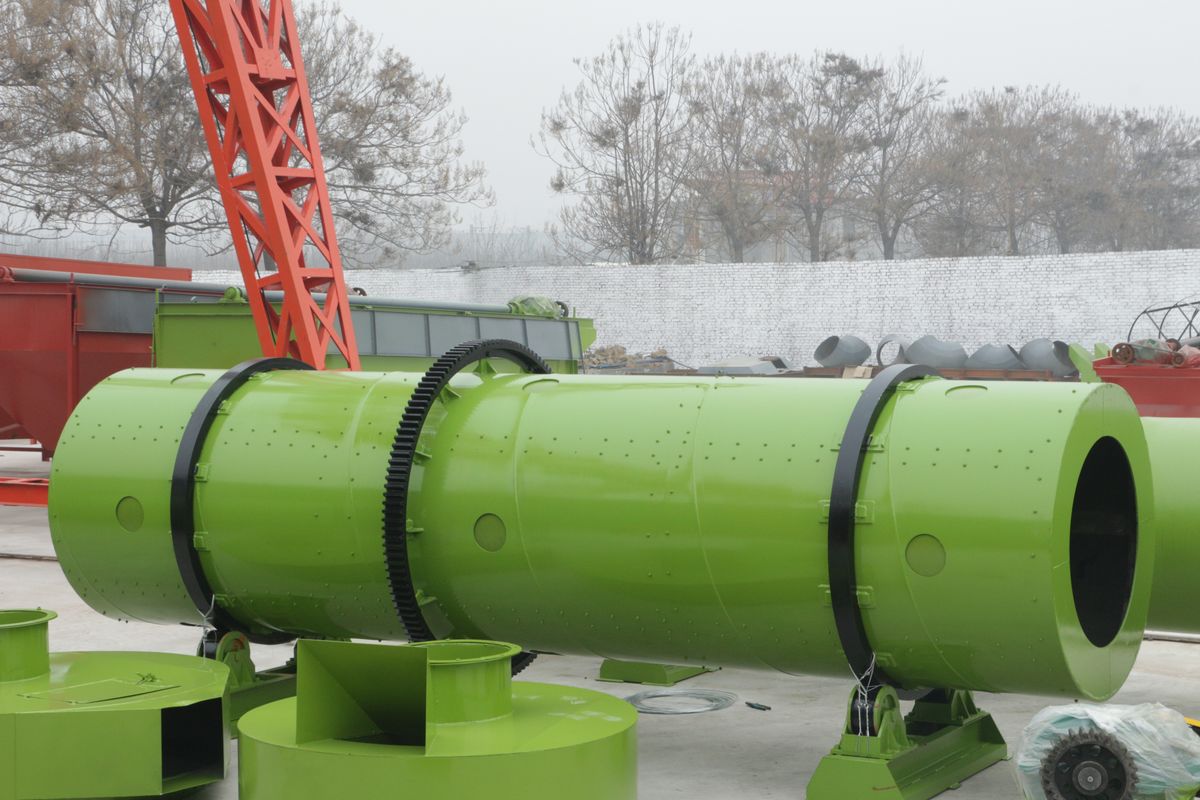
یک درام چرخان با دندانه های همزن داخلی مواد را با بخار آگلومره می کند, آب یا دوغاب. بهترین برای خطوط ترکیبی و ارگانیک با تناژ بالا.
مشاهده جزئیات →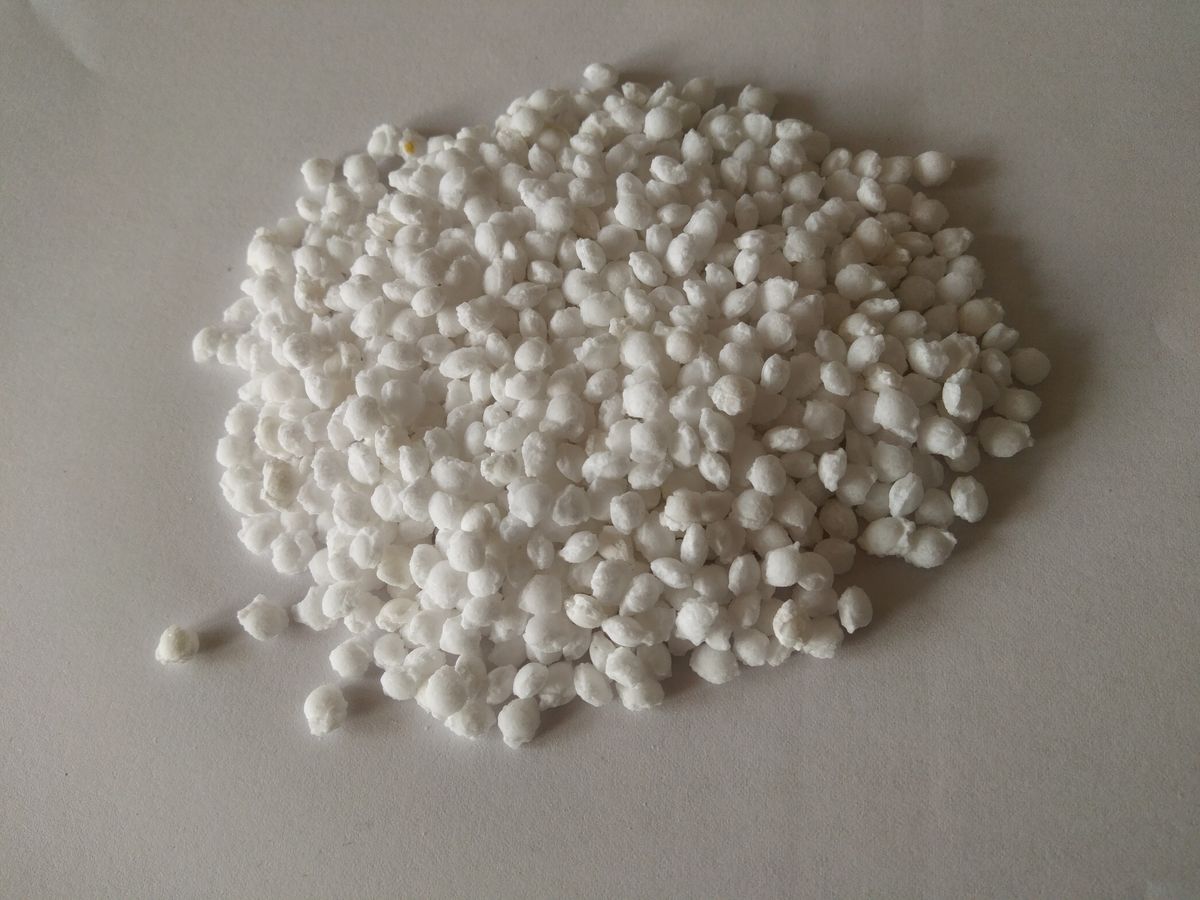
اکستروژن خشک در فشار بالا بدون بایندر و بدون خشک کن. ایده آل برای NPK, اوره و فرمول های پر نمک; نرخ گلوله بالا 85%.
مشاهده جزئیات →
خانواده دانه بندی مرطوب توضیح داد, شامل چهار نوع ماشین و مزایا و معایب آنها برای کود آلی.
مشاهده جزئیات →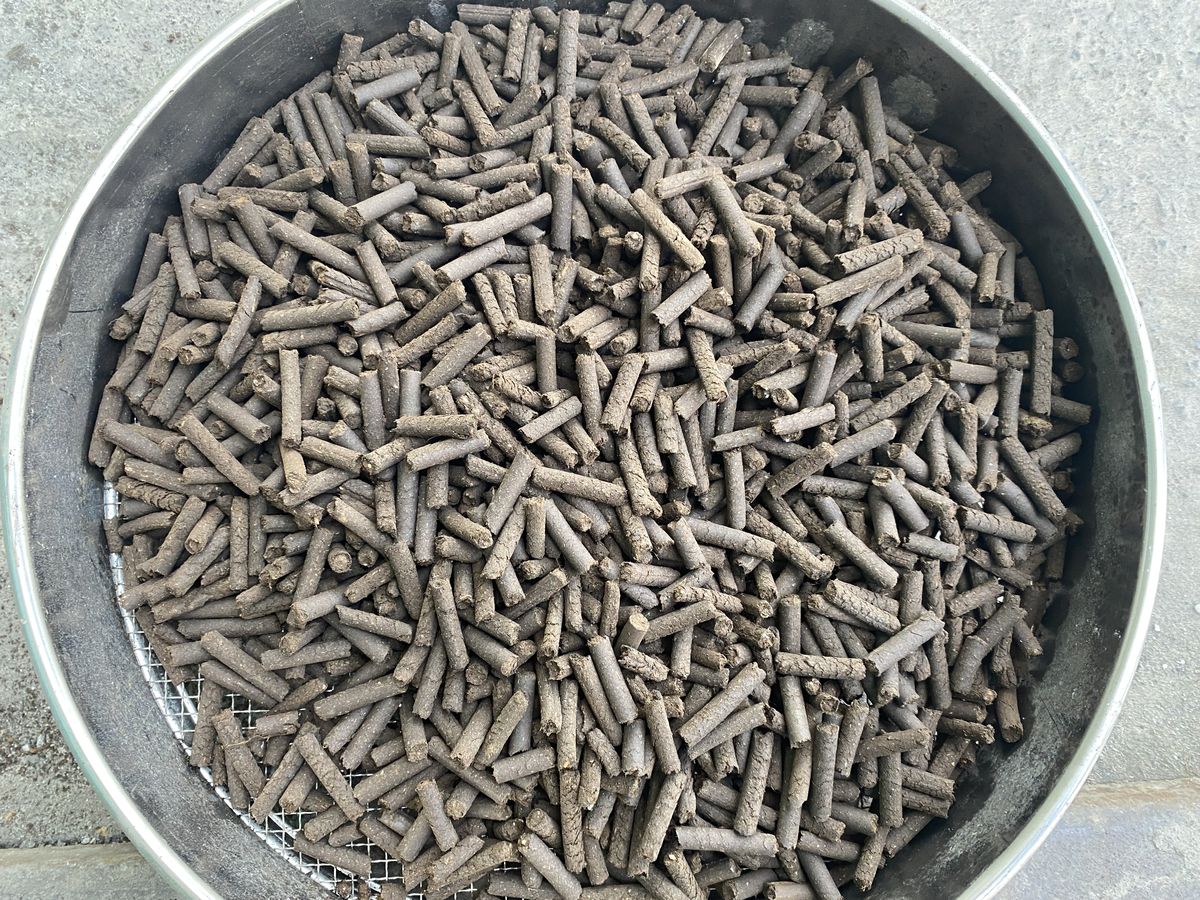
نحوه عملکرد دانه بندی خشک, کدام مواد مناسب آن است, و چرا بخش خشک کردن را به طور کامل حذف می کند.
مشاهده جزئیات →دانه بندی با پیکربندی هدف برای کود گاوی: عمودی, گزینه های افقی و دیسکی با خشک کن و صفحه نمایش منطبق.
مشاهده جزئیات →| گراور کننده | روش | رطوبت را تغذیه کنید | ظرفیت | نرخ دانه بندی | بهترین برای |
|---|---|---|---|---|---|
| دیسک (تابه) گرانولاتور | خیس, تابه چرخان | 25-35٪ | 0.1-50 تن در ساعت | تا 93% | کود آلی, کمپوست کود |
| گرانولاتور درام دوار | خیس, طبل + بخار / دوغاب | 25-35٪ | 5-50 تن در ساعت | 70-90٪ | ترکیب و NPK, تناژ بالا |
| دانه بندی غلتکی دوبل | خشک کنید, اکستروژن با فشار بالا | <5% | 1-20 تن در ساعت | 85%+ | NPK, اوره, نمک های آمونیوم, فرمول های خشک |
| خط دانه بندی مرطوب | خیس, ترکیب شده است | 25-35٪ | 1-30 تن در ساعت | 80-93٪ | کود آلی و آلی معدنی |
| خط دانه بندی خشک | خشک کنید, اکستروژن | <5% | 1-20 تن در ساعت | 85%+ | کود شیمیایی حساس به حرارت |
خوراک زیر را خرد کنید 3 مگنی. ذرات درشت را نمی توان به طور یکنواخت خیس کرد, بنابراین گلوله ها با سطوح ناهموار و استحکام کم تشکیل می شوند.
25-35٪ برای دانه بندی مرطوب - یک مشت را فشار دهید; باید شکل خود را بدون چکیدن آب حفظ کند. در زیر 20% گلوله ها خرد می شوند, بالا 40% درام یا تابه توپ می شود.
1– نشاسته ۳ درصد, بنتونیت, اسید هیومیک یا ملاس. بایندر بیشتر گلوله های سخت تری می سازد اما تجزیه و تحلیل مواد مغذی را رقیق می کند.
در گرانولاتور دیسکی، اندازه پلت کنترل زاویه و سرعت; در یک طبل, سرعت و زمان نگهداری کنترل سرریز داخلی.
مواد بزرگ را به سنگ شکن و ریزدانه ها را به گرانولاتور ارسال کنید. یک حلقه بازیافت بسته نرخ دانه بندی موثر را بالاتر نگه می دارد 90%.
نرخ دانه بندی نسبت خروجی است که در اندازه گلوله هدف در اولین گذر قرار می گیرد. الف 93% نرخ به این معنی است که مواد بسیار کمی باید بازیافت شوند, که باعث کاهش مصرف برق و افزایش ظرفیت موثر نیروگاه می شود. نرخ توسط اندازه ذرات خوراک کنترل می شود, رطوبت, تنظیمات کلاسور و ماشین.
برای کود آلی تا حدود 3 t/h دیسک (تابه) گرانولاتور بهترین انتخاب است: 25 تا 35 درصد رطوبت را تحمل می کند, تنظیم آسان است و گلوله های گرد با نرخ دانه بندی بالا تولید می کند. بالا 5 T/H, گرانولاتور درام دوار در هر تن مقرون به صرفه تر است.
گرانول های مرطوب انجام می دهند. گلوله ها یک دیسک یا دانه بندی درام را با رطوبت 25 تا 35 درصد ترک می کنند و باید قبل از ذخیره سازی تا 12 تا 14 درصد خشک شوند.. دانه بندی خشک با پرس غلتکی دوتایی نیازی به خشک کن ندارد, که یکی از مزیت های اصلی اقتصادی آن است.
اکثر بازارها 2 تا 5 میلی متر را می پذیرند. اندازه گلوله با زاویه دیسک و سرعت چرخش تنظیم می شود, سرعت درام و ارتفاع سرریز, یا الگوی قالب غلتکی, و با دستگاه در حال کار بر روی دیسک و گرانولاتور درام قابل تغییر است.
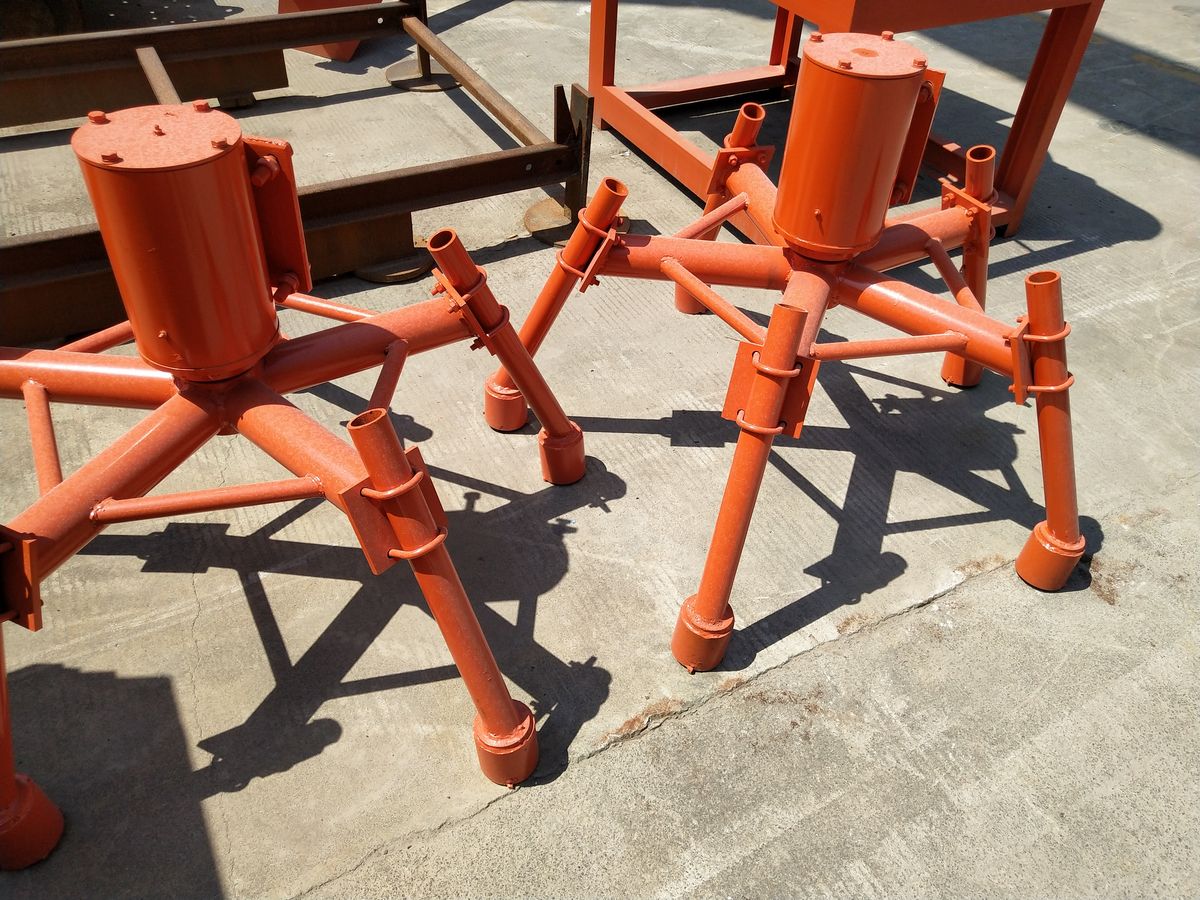
در کارگاه Xingyang ما و در سایت های مشتریان عکس گرفته شده است. بدون واترمارک, بدون شماره تلفن.
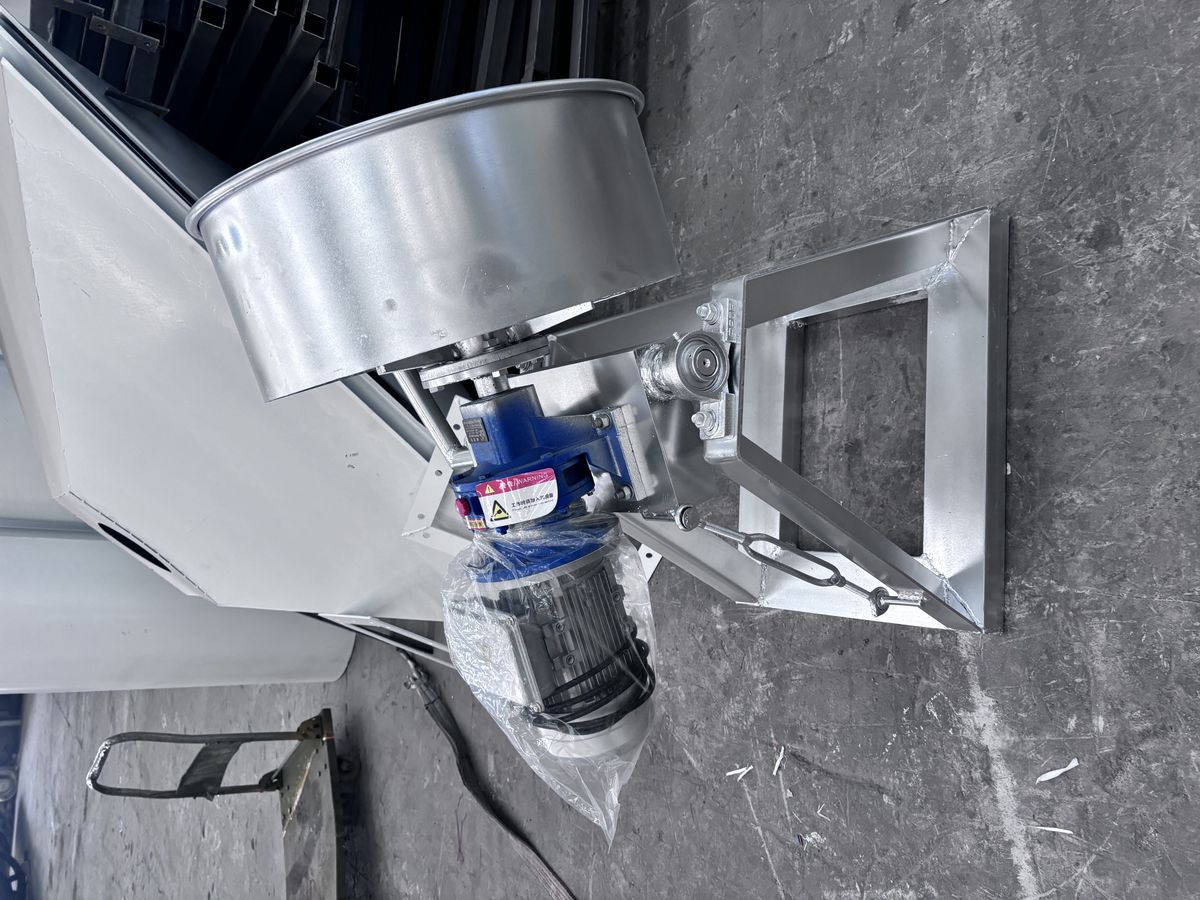
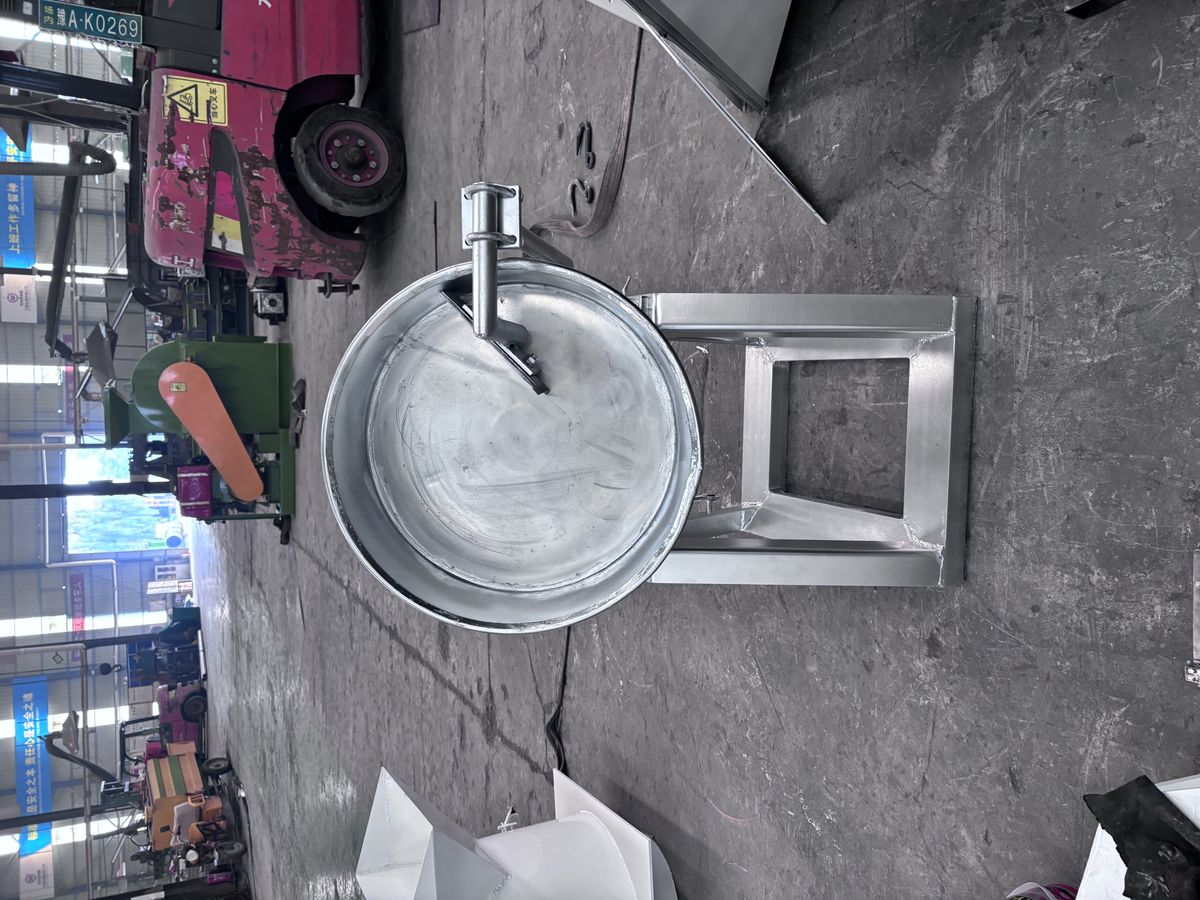
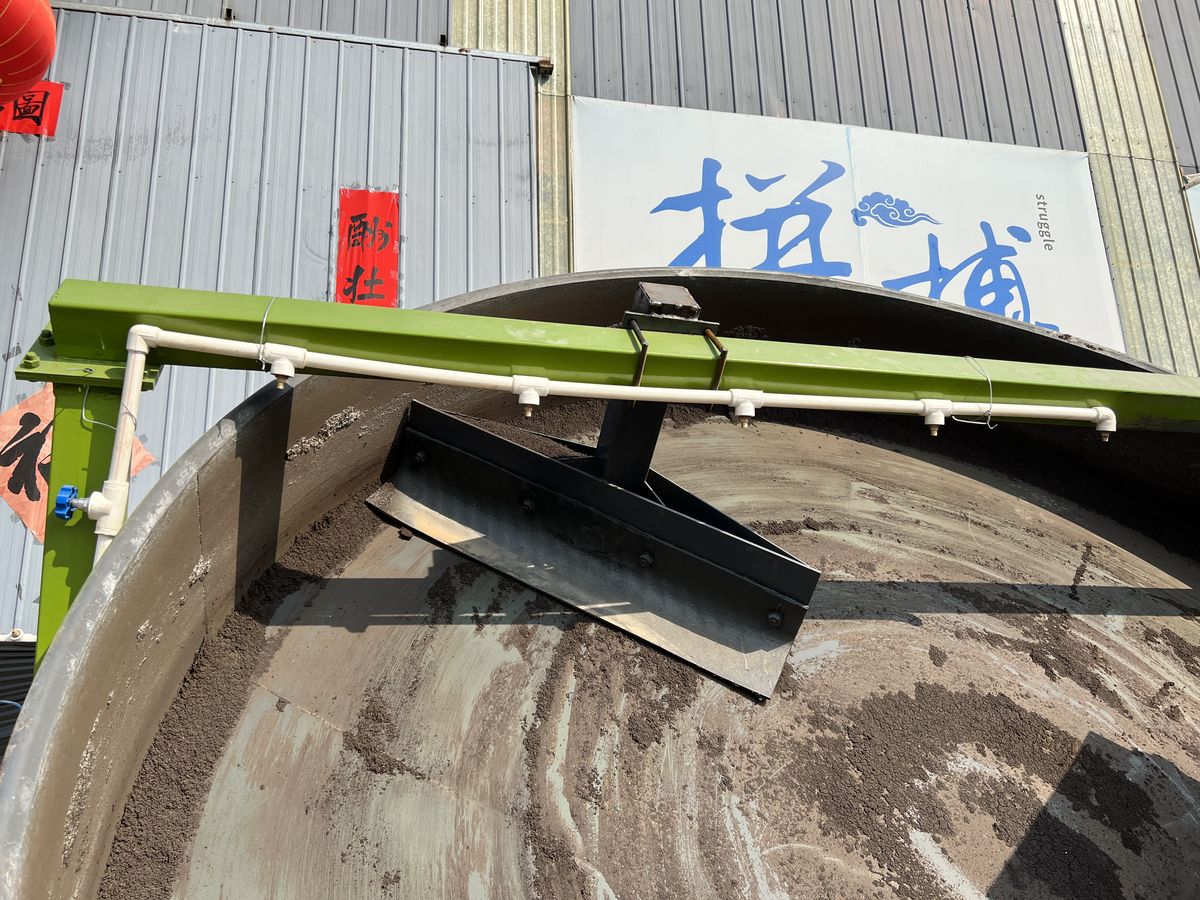
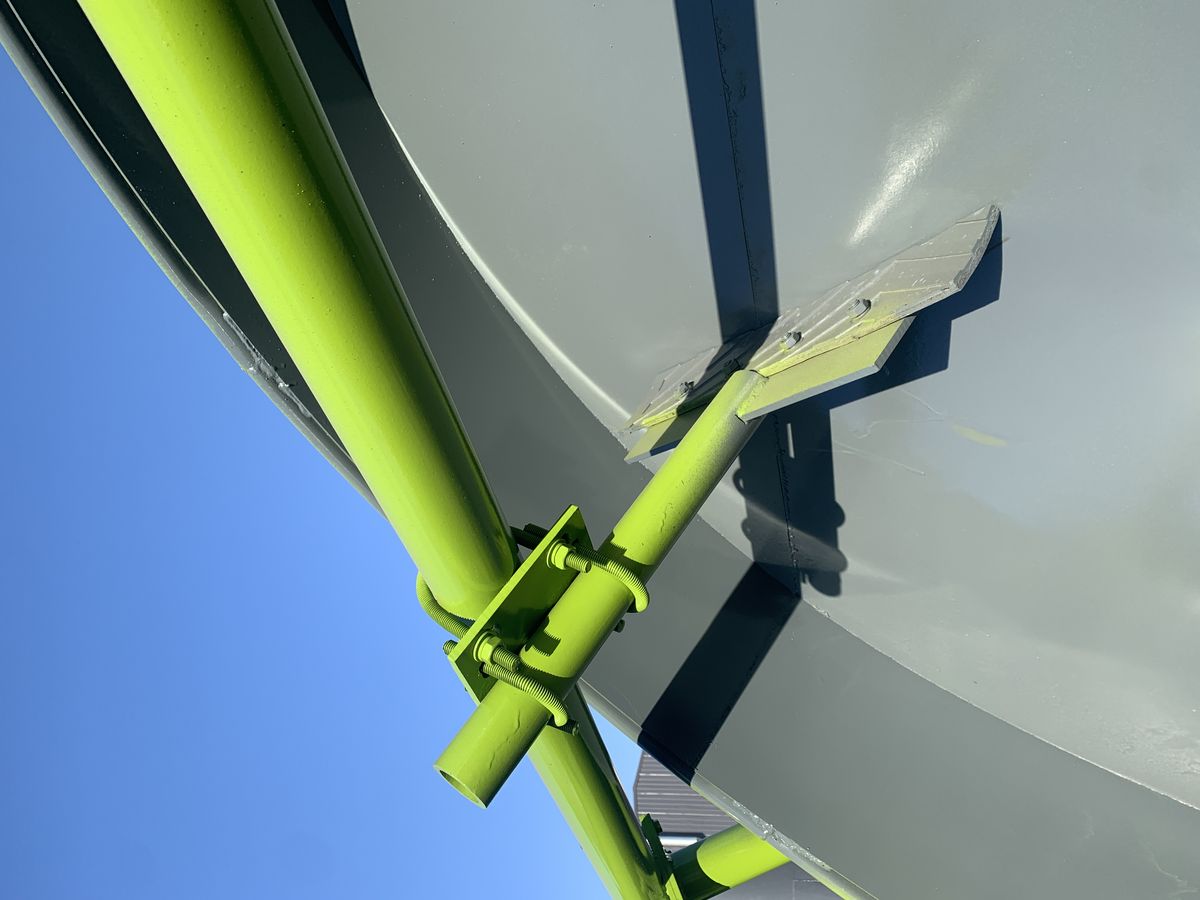
یک گرانولاتور گلوله ها را از پودر مرطوب با تجمع یا فشار می سازد, بدون فشار دادن مواد به داخل قالب - این برای کود مناسب است زیرا رطوبت و چسباننده ها را تحمل می کند.. آسیاب گلوله ای مواد را از طریق قالب تحت فشار بالا بیرون می کشد و عمدتاً برای گلوله های سوخت زیست توده خشک یا خوراک استفاده می شود..
یک قوطی دانهبندی درام دوار, زیرا با انباشتگی به جای قالب ثابت کار می کند. یک دانه بندی غلتکی دوگانه به مواد خشک محدود می شود, و یک گرانولاتور دیسکی در بهترین حالت خود با کمپوست آلی مرطوب است. بسیاری از کارخانه های کود، دو دانه دانه نگه می دارند و با محصول تعویض می کنند.
گرانول دیسکی از 0.75 کیلووات به 18.5 کیلووات محدوده از 0.1 به 4 T/H, در حالی که گرانولاتورهای درام دوار بزرگ با سرعت 20 تا 50 تن در ساعت به 75-160 کیلو وات می رسند.. برق معمولاً سهم کمی از هزینه جاری در مقایسه با خشک کن است, که بزرگترین مصرف کننده انرژی در خط دانه بندی مرطوب است.
سه علت معمولی: چسب خیلی کم, رطوبت تغذیه خیلی زیاد است، بنابراین گلوله دارای هسته نرم است, یا دمای ورودی خشک کن بالاتر از حدود 250 درجه سانتیگراد که رطوبت را خیلی سریع خارج می کند و گلوله را می شکافد. کاهش نرخ تغذیه و خشک کردن ملایم تر معمولاً آن را حل می کند.
دیسک گرانولاتور (گرانولاتور تابه) تولید گلوله های کود آلی گرد با نرخ دانه بندی تا 93%. مدل های …
ادامه مطلب →گرانولاتورهای درام دوار برای کودهای مرکب و آلی, با استفاده از بخار, تجمع آب یا دوغاب. پارامتر طراحی…
ادامه مطلب →دانه های غلتکی دوتایی ترکیب خشک و پودر NPK را به گلوله ها بدون چسب و بدون خشک کن فشار می دهند. نرخ گلوله بالاتر از…
ادامه مطلب →دستگاه های دانه بندی مرطوب برای کود آلی: دیسک, تابه, مقایسه درام دوار و گرانولاتورهای مخلوط مرطوب, با آنها…
ادامه مطلب →دستگاه های دانه بندی خشک به تنهایی با فشار گلوله های کود را تشکیل می دهند, بدون آب, بدون بخار و بدون خشک کن. دو دستگاه …
ادامه مطلب →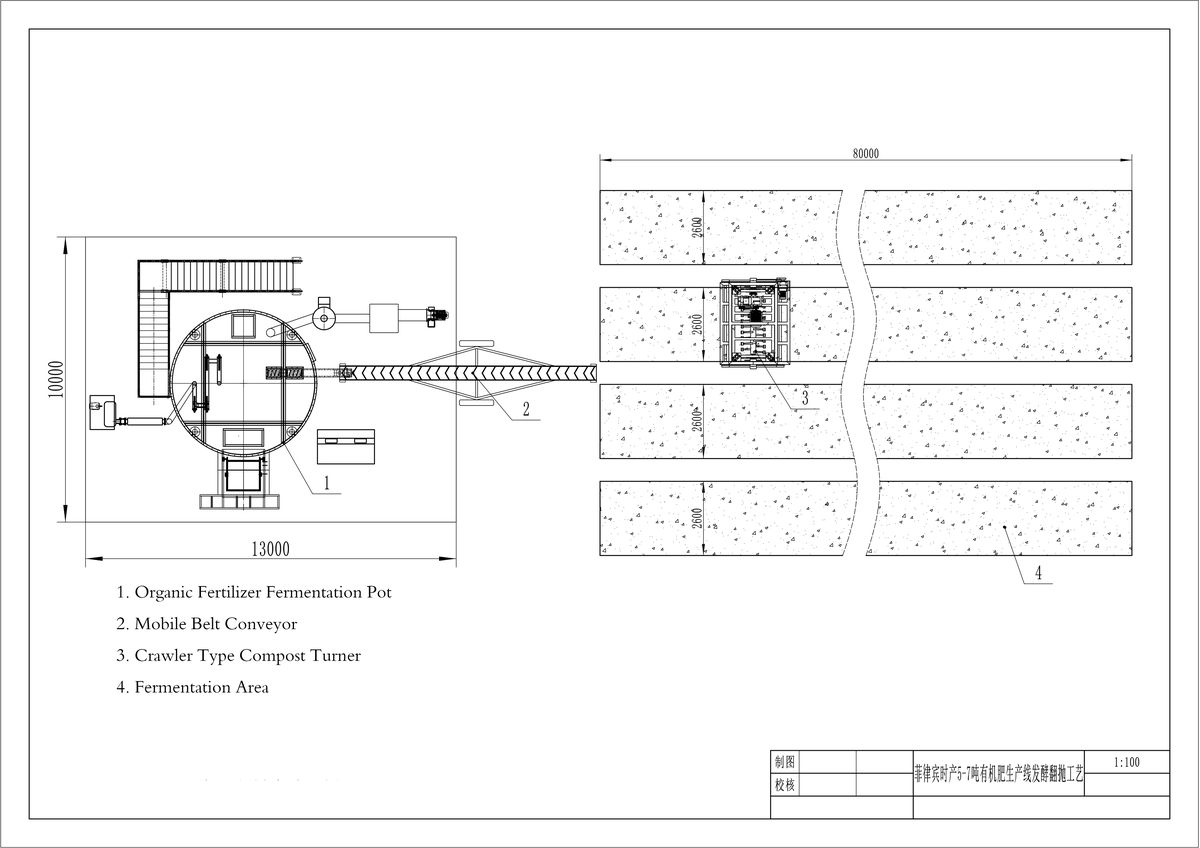
خطوط کامل تولید کود از 1 به 50 T/H: وابسته به ارگانیک, زیست ارگانیک, مرکب, NPK و ترکیب فله (BB) برنامه ریزی…
ادامه مطلب →مواد خام و ظرفیت مورد نظر خود را ارسال کنید - مهندسان ما ظرف یک روز کاری با یک مسیر فرآیند پاسخ می دهند, لیست تجهیزات و بودجه.
تیم مهندسی ما ظرف یک روز کاری پاسخ خواهند داد. برای هر چیز فوری, در واتس اپ به ما پیام دهید.
واتس اپ را باز کنید